
Big Five Safari Zimbabwe:
Why Matopos and Hwange Still Define One of Africa’s Greatest Wildlife Journeys
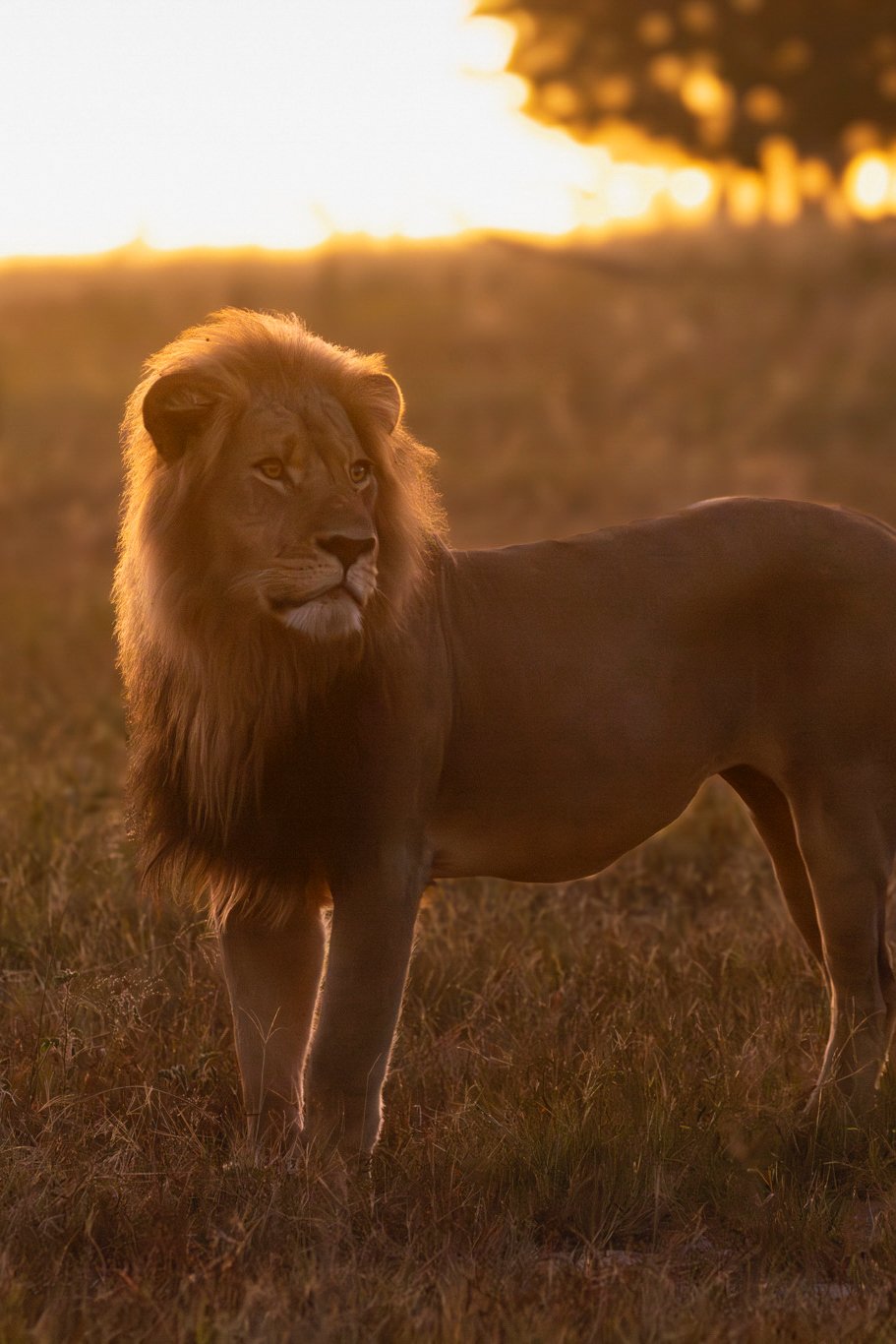
For many travellers planning a Big Five safari in Zimbabwe, the phrase itself arrives fully formed, polished by decades of brochures, guidebooks, and bucket-list conversations. Yet the term has a far older and more complicated history. “Big Five” was coined during the colonial hunting era of the late nineteenth century to describe the five African animals considered the most dangerous and difficult to hunt on foot: lion, leopard, elephant, buffalo, and rhinoceros. Today, the phrase has been repurposed by conservation-led tourism. What was once a hunter’s shorthand has become a traveller’s checklist, and in the best versions of modern safari, a reason to value these animals alive.
That shift matters in Zimbabwe, a country where a Zimbabwe safari still feels grounded in wilderness, guiding, and landscape rather than spectacle. Zimbabwe’s reputation rests not only on the quality of its wildlife areas, but on the quality of interpretation: the country is widely respected for exceptionally rigorous guide training, and the classic safari experience here remains deeply tied to tracking, reading country, and understanding behaviour. For travellers interested in the Big Five, Zimbabwe offers something more textured than a numbers game, and instead of asking “How fast can all five be seen?” ponders where each animal is best understood.
In practical terms, that is why the most rewarding big five safari Zimbabwe itinerary is often split between two very different ecosystems. Matopos is the place to focus on rhino. Hwange National Park is where elephants, buffalo, lions, and leopards take centre stage. Together, they create a safari that is less about ticking boxes and more about understanding how Zimbabwe’s landscapes shape its wildlife.
What the Big Five Means Today
There is still a tendency to assume the Big Five are Africa’s largest animals, or even its rarest. Neither is true. The list was never biological. It was logistical and dangerous, built around the risks of hunting on foot. That is why giraffe, hippo, and crocodile are absent, despite their size and notoriety. In modern safari language, however, the term now functions differently. It refers to the five most iconic large mammals travellers hope to encounter in the wild, and increasingly it is framed through conservation status, habitat loss, and the ethics of wildlife tourism. National Geographic notes that the term emerged in the colonial period, but that tourism has since transformed seeing the Big Five into an “awe-inspiring” goal for safari-goers.
Zimbabwe is particularly well placed to tell that newer story because the country does not present the Big Five as a single uniform experience. Rhino in Matopos are part of a larger conversation about protection, terrain, and recovery. Elephants in Hwange are one of the defining forces of the ecosystem. Lions and leopards move through dry woodland and open vleis, maintaining vast territories. Buffalo, meanwhile, remain one of the most underrated members of the five: huge, wary, socially complex, and central to predator-prey dynamics.
Why Zimbabwe Works So Well for Big Five Safaris
Anyone searching is Zimbabwe good for safari will quickly find the same answers repeated for a reason: variety of habitat, low-density feel, strong guiding culture, and the ability to combine famous parks with a sense of depth. Hwange is Zimbabwe’s largest and best-known national park, while Matobo brings something entirely different: a smaller, culturally resonant, geologically dramatic landscape where rhino tracking feels intimate and specific to place. The combination gives travellers both scale and detail.
Timing your safari can shape your experience, but in Zimbabwe, both dry and green seasons offer something special. The dry season, from May to October, is often favoured for classic game viewing, when wildlife gathers around waterholes and visibility improves as vegetation thins. In Hwange, this means impressive sightings around the pumped pans and permanent water sources, while Matopos is ideal for walking safaris and tracking during cooler, drier months. But don’t overlook the green season. From November through April, the landscape transforms to lush, green, and bursting with birdlife. Afternoon rains bring dramatic skies, fewer crowds, and great photography opportunities, with still-solid chances of spotting big game. Whether you're drawn to the stark drama of the dry season or the beauty and solitude of the green season, Zimbabwe delivers year-round safari magic.
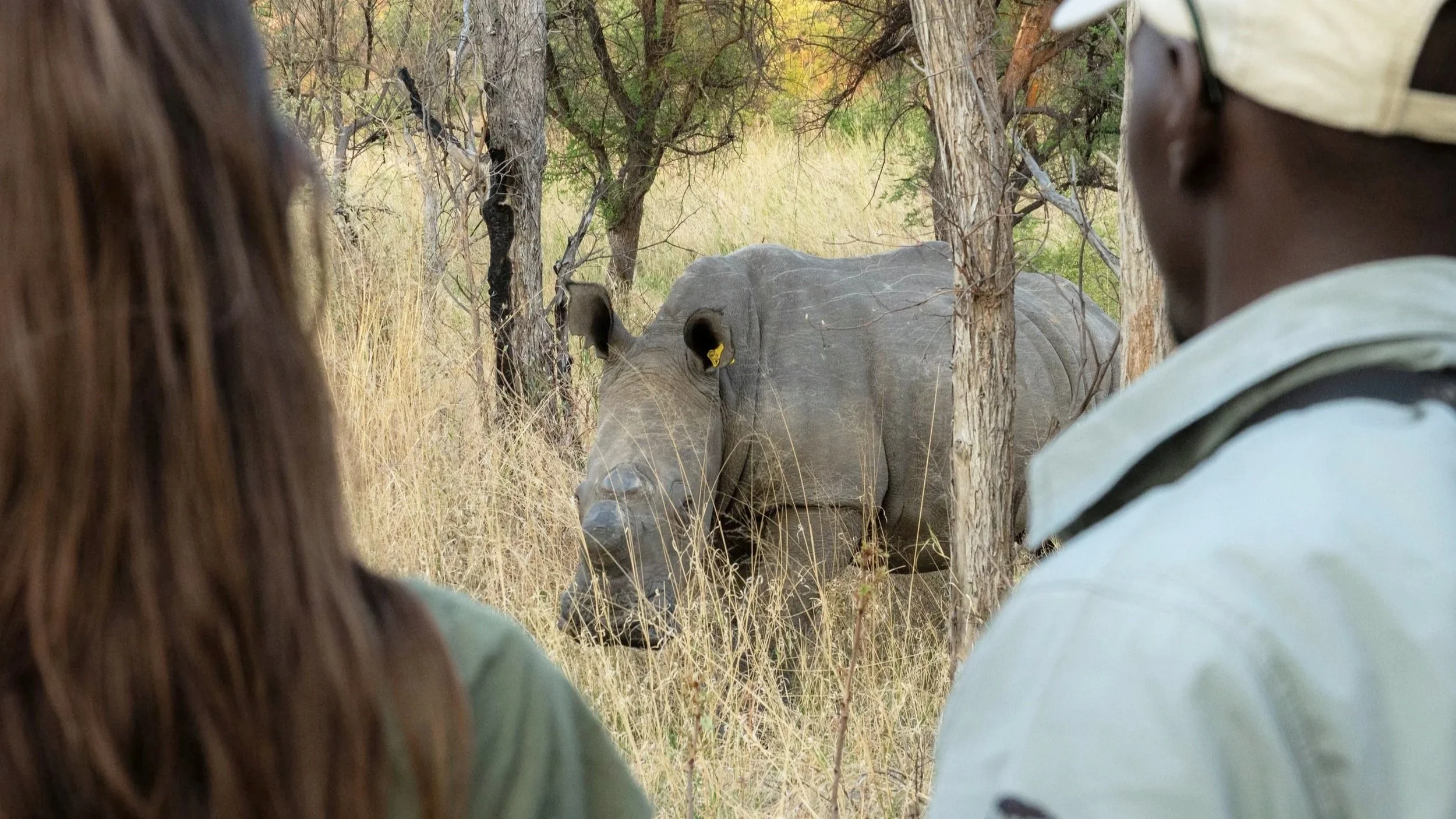
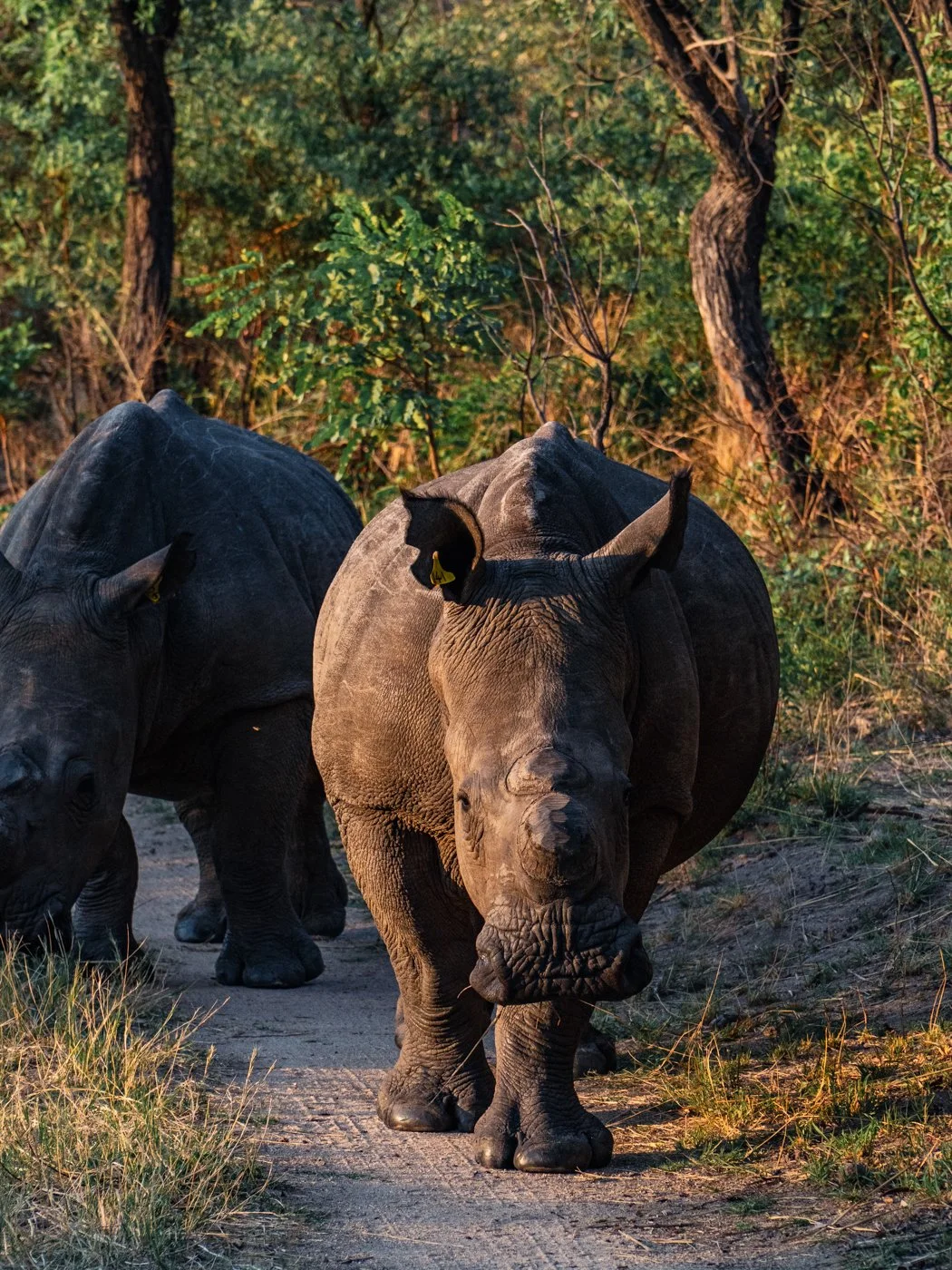
Tracking rhino on foot in Matopos
Matopos for Rhino: The Soulful Side of the Big Five
For rhino, Matobo National Park rhino tracking is one of Zimbabwe’s most compelling wildlife experiences. The park, part of the wider Matobo Hills World Heritage landscape south of Bulawayo, is known internationally for its granite kopjes, balancing rock formations, and one of the highest concentrations of San Bushmen rock art in Southern Africa. UNESCO describes it as a cultural landscape shaped by human interaction over many millennia, with rock paintings dating back at least 13,000 years and spiritual traditions that remain active today. That cultural depth changes the atmosphere of a safari here. Matopos never feels like scenery alone. It feels inhabited by story.
The wildlife dimension is just as distinctive. ZimParks notes that Matobo boasts both black and white rhinos, while current safari planning pages consistently identify the park as Zimbabwe’s stand-out rhino destination. Go2Africa describes Matobo as a protected area where highly endangered black and white rhinos are making a comeback, and highlights rhino tracking as one of the park’s defining experiences.
What makes Matopos memorable is the way rhino are encountered. In many southern African reserves, rhino are seen almost passively from a vehicle. In Matopos, the experience is often more interpretive and more physical. Tracking on foot, under the guidance of experienced scouts and guides, changes the emotional register completely. Distance becomes tangible. Wind direction matters. Footprints, dung, broken branches, and fresh signs stop being background detail and become the grammar of the bush.
There is another reason Matopos deserves special treatment in any discussion about a Big Five safari Zimbabwe: it reminds travellers that safari is about context and discovery. The hills, caves, sacred sites, and old granite domes create a safari that feels unusually layered. A morning might involve tracking rhino; an afternoon might move into rock art, viewpoints, or the broader cultural history of the landscape. For travellers staying with Amalinda Safari Collection, this matters because Amalinda Lodge is the only luxury option in the area and embodies qualities that make Matopos unique, built within the boulders. Geology, history, spirituality, and wildlife come together here, making the experience of seeing rhino feel connected to a much older landscape.
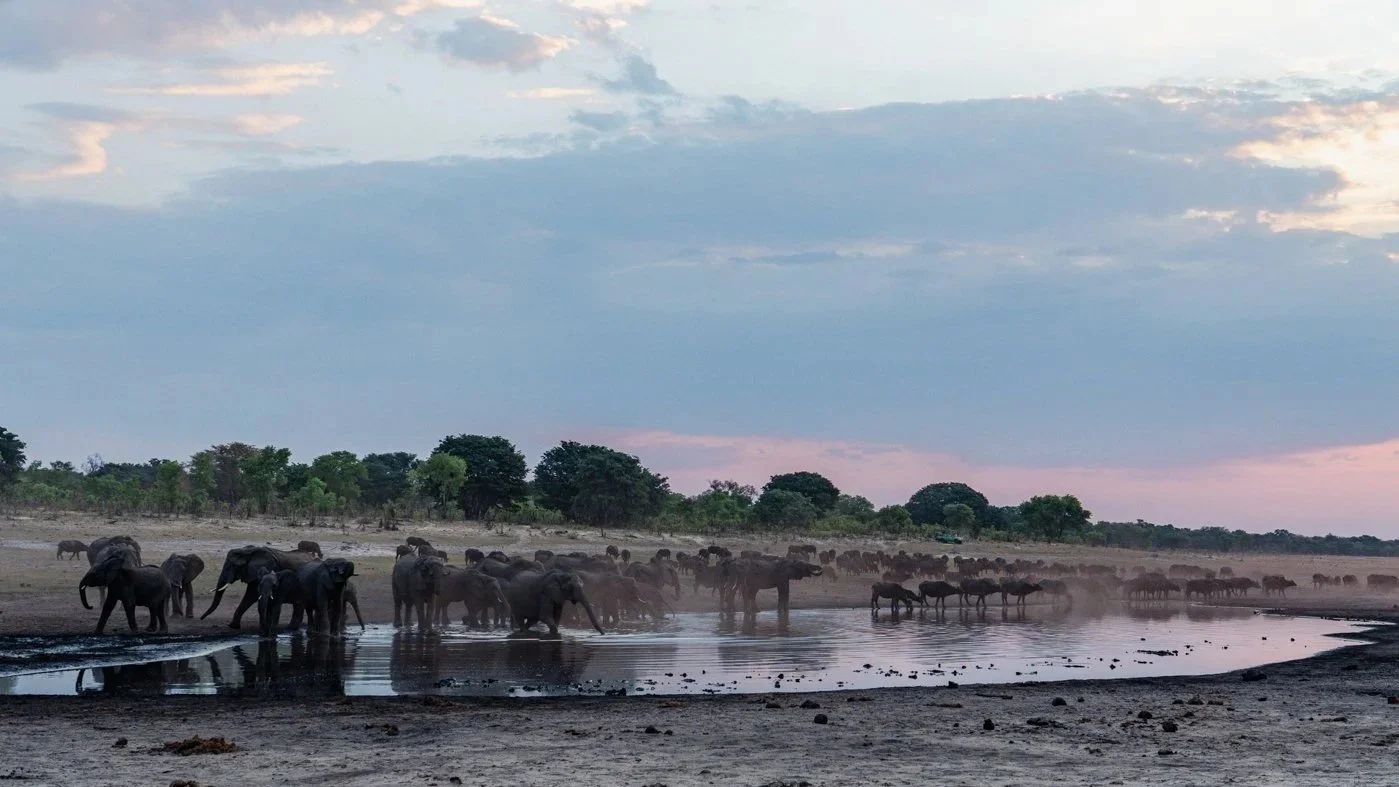
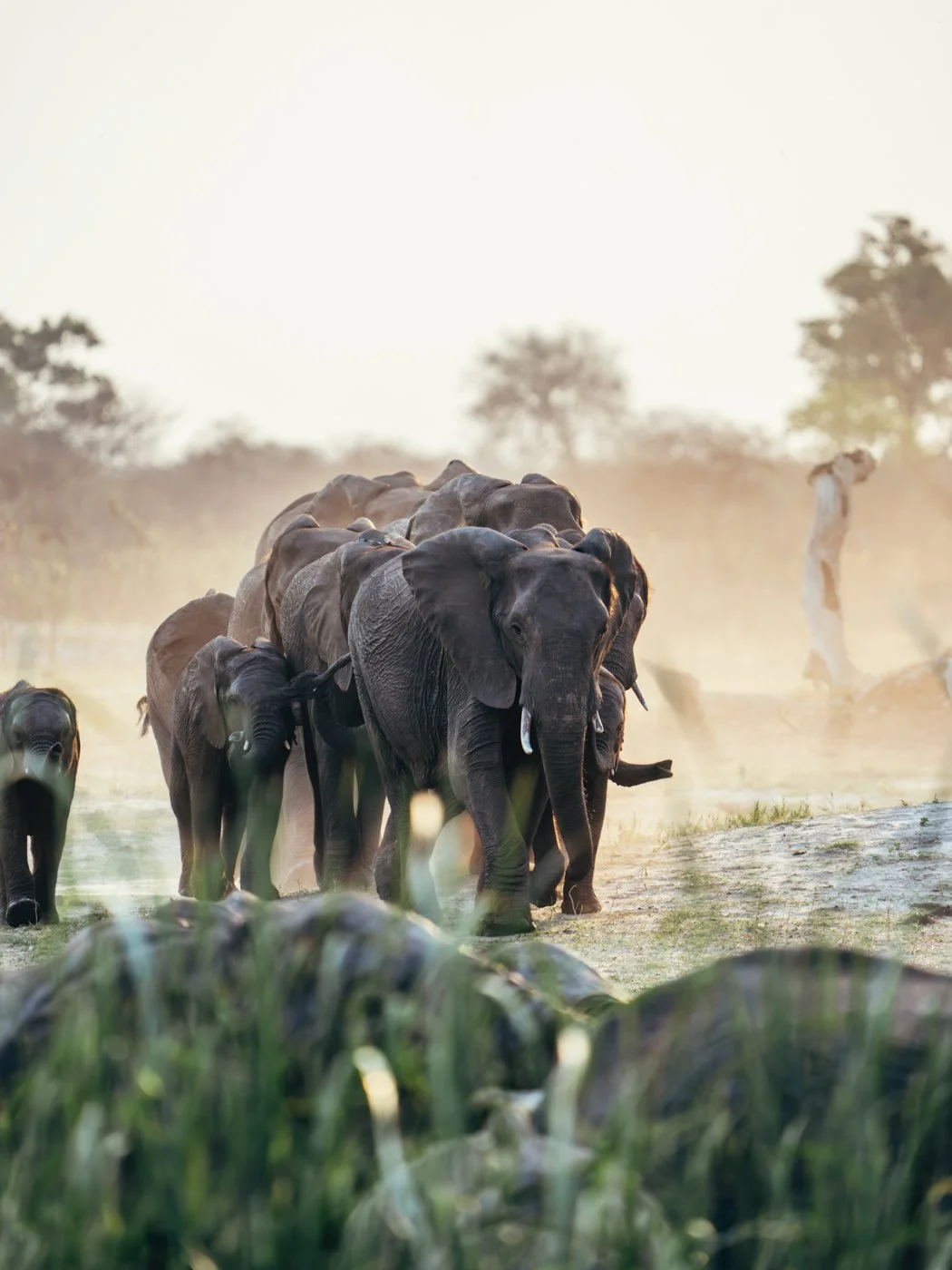
Elephants and buffalo gather at the pan in front of Sable Valley
Hwange for Elephants, Buffalo, Lions, and Leopard
If Matopos offers intimacy, Hwange National Park safari delivers scale. ZimParks identifies Hwange as home to four of the Big Five: elephant, lion, leopard, and buffalo. The park spans more than 14,600 square kilometres and supports around 100 mammal species and nearly 400 bird species. It is also Zimbabwe’s elephant stronghold. Travel sources currently place Hwange’s elephant population in the tens of thousands, often citing roughly 40,000 to 60,000 animals depending on source and season. Whatever the exact number at any given moment, the point is clear: Hwange is one of Africa’s great elephant landscapes.
The park’s water-driven ecology is central to the experience. Because large areas of Hwange rely on pumped pans and waterholes, the dry months can produce extraordinary concentrations of game. Elephants gather in long, dust-covered files. Buffalo herds mass at the edge of water. Lions use the predictability of these movements to their advantage. Leopards remain harder won, as they should be, but they are part of the park’s predator equation and one of the reasons Hwange continues to appeal to experienced safari-goers as much as first-timers.
For elephant viewing in particular, Hwange has few rivals in Zimbabwe. Amalinda’s private concession is home to the legendary Presidential Herd, with over one hundred elephants making daily visits to the pool at Khulu Bush Camp, as well as the hides at Sable Valley and Ivory Lodge. For up close elephant encounters, these properties are unmatched.
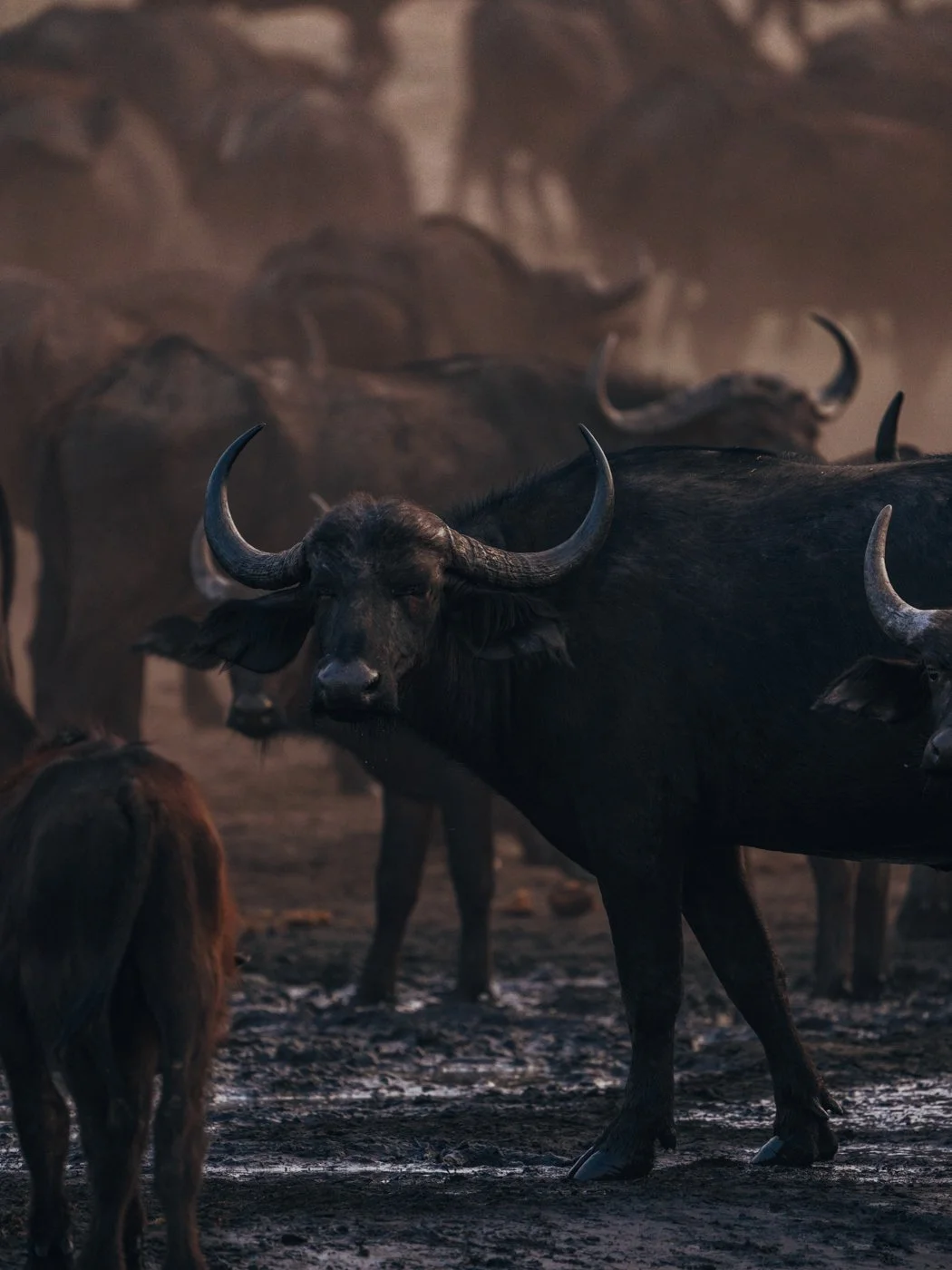
Buffalo, too, are integral to Hwange’s identity. They do not always dominate safari marketing in the way lions and elephants do, but in the field they contribute much of the park’s tension. Their herd behaviour shapes predator movements, and a large buffalo congregation at a pan is one of the classic dry-season spectacles of southern Africa. Lions, meanwhile, remain one of the park’s major draws, particularly in concessions and zones where experienced guiding and patient tracking can turn a general game drive into something more nuanced: pride dynamics, territorial behaviour, or the aftermath of a hunt rather than a simple sighting.
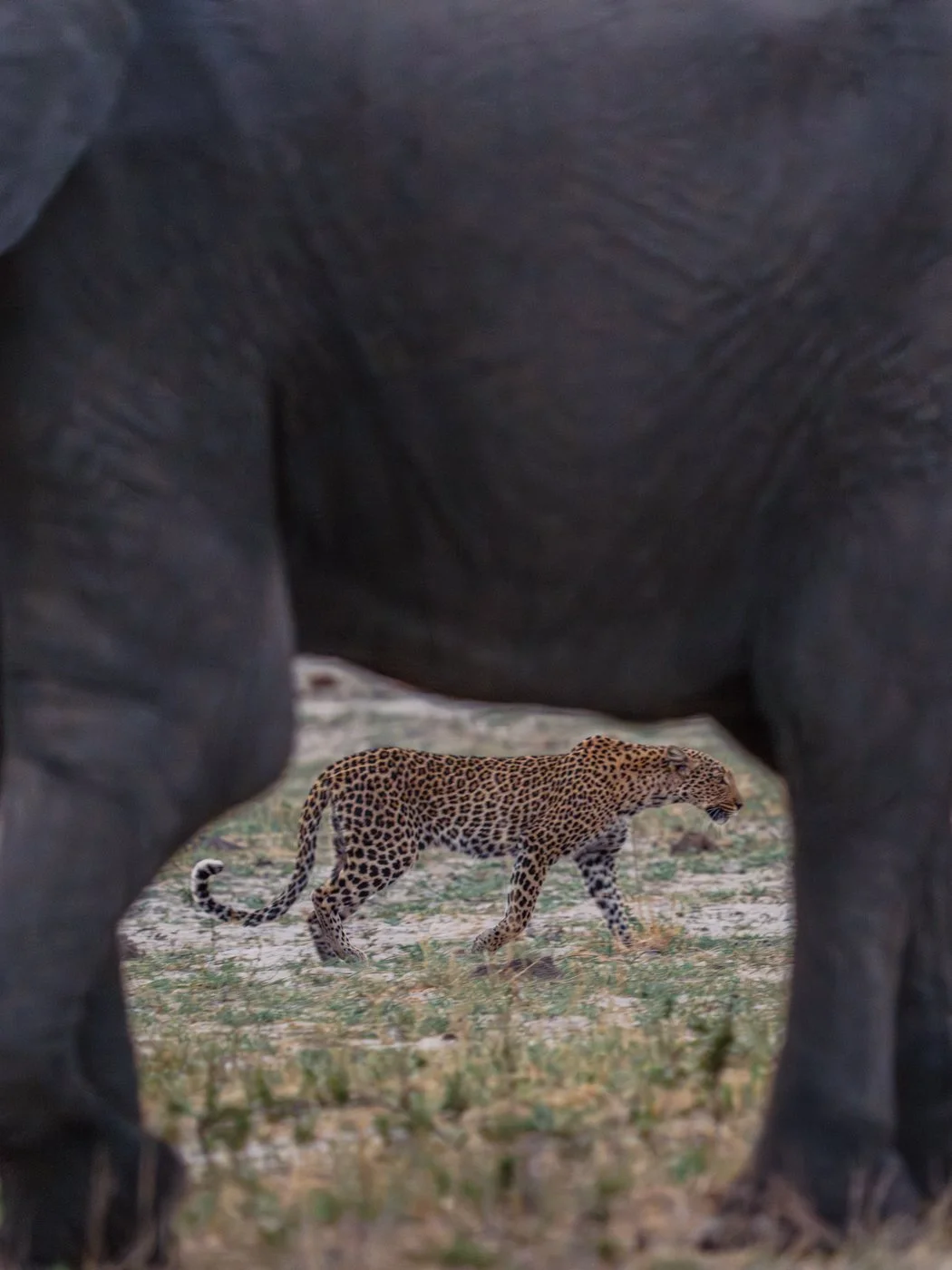
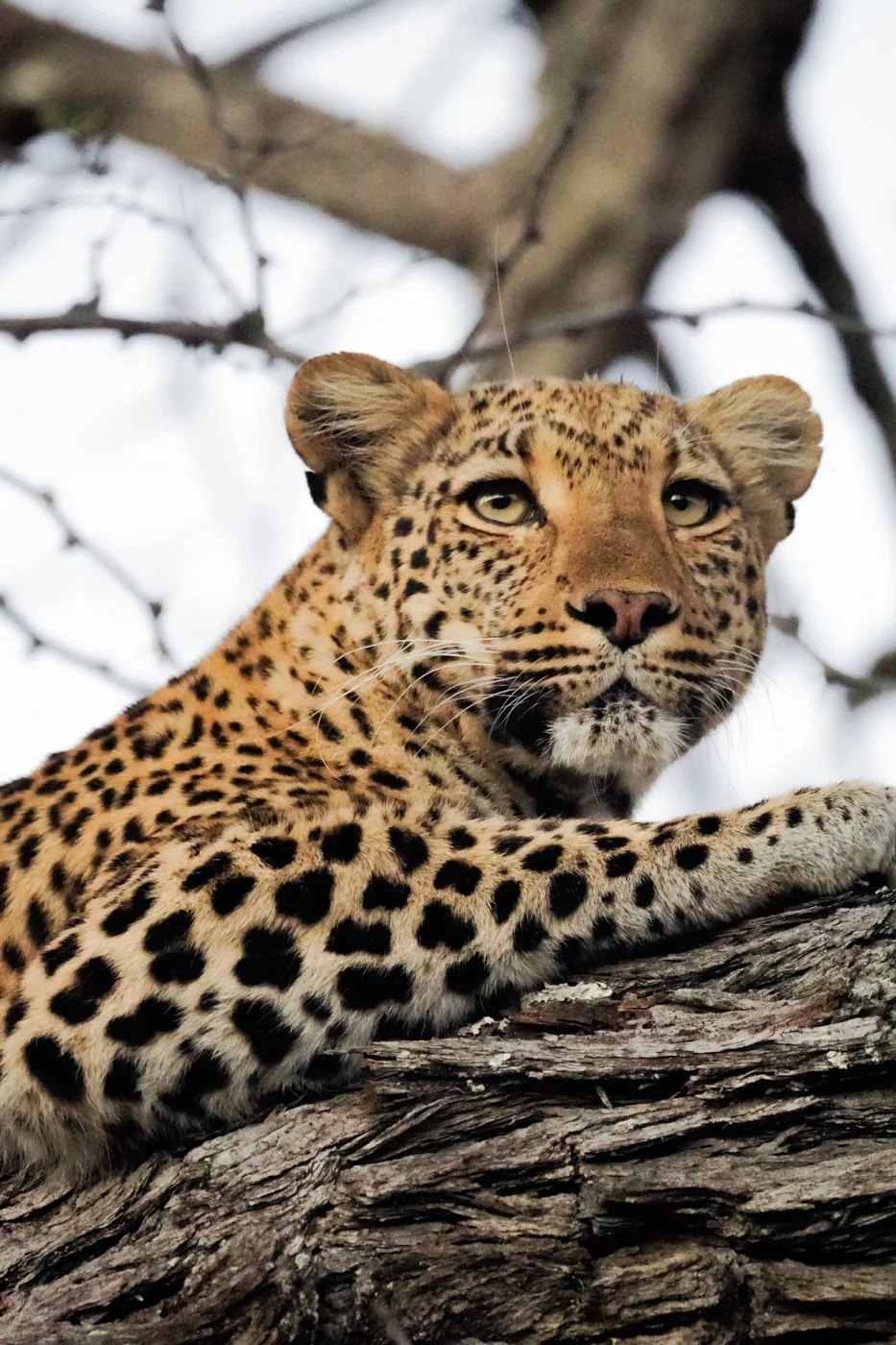
A female leopard walks behind an elephant in Hwange
Leopard is often the animal that completes, or withholds, the Big Five narrative. That is part of the appeal. Hwange offers real leopard country, but not guaranteed theatre. The reward comes through patience, light, and good guiding rather than certainty. In that sense, leopard is the species that best preserves the old discipline of safari. It cannot be summoned by wishful thinking. It has to be read, anticipated, and found. Zimbabwe’s guiding culture is especially well suited to that kind of encounter.
The Smartest Big Five Route in Zimbabwe
For travellers searching Victoria Falls and Hwange safari, the usual first instinct is to combine those two, and for good reason: access is straightforward and the pairing is classic. But for those specifically interested in the Big Five, adding Matopos changes the trip from excellent to complete. Victoria Falls provides an iconic gateway, Hwange delivers the drama of elephant country and classic big game, and Matopos adds the rhino chapter along with one of Zimbabwe’s most distinctive landscapes.
That is also where Amalinda Safari Collection enters the conversation most naturally. Amalinda’s value is that it places travellers close to one of Zimbabwe’s most unusual safari landscapes: a place where rhino tracking, granite hills, rock art, and layered history can exist in the same itinerary. For a reader trying to understand what makes a big five safari in Zimbabwe different from a more generic southern African circuit, that distinction is everything. Zimbabwe offers more than animals, bringing history, culture and context into a well-rounded safari experience.
In the end, the enduring power of the Big Five is not that the term is perfect, however, it continues to serve as an entry point. In Zimbabwe, that entry point opens onto something larger: the granite silence of Matopos, the dust and movement of Hwange, the old hunting language transformed into a modern conservation story. A traveller may arrive wanting five names on a list. The better safari leaves them with a stronger memory of place than of scorekeeping. And in Zimbabwe, that is exactly how it should be.