
Let The Game Count Begin
BE A PaRT OF ZIMBABWE’S CONSERVATION STORY WHEN YOU JOIN OUR FULL MOON GAME COUNT
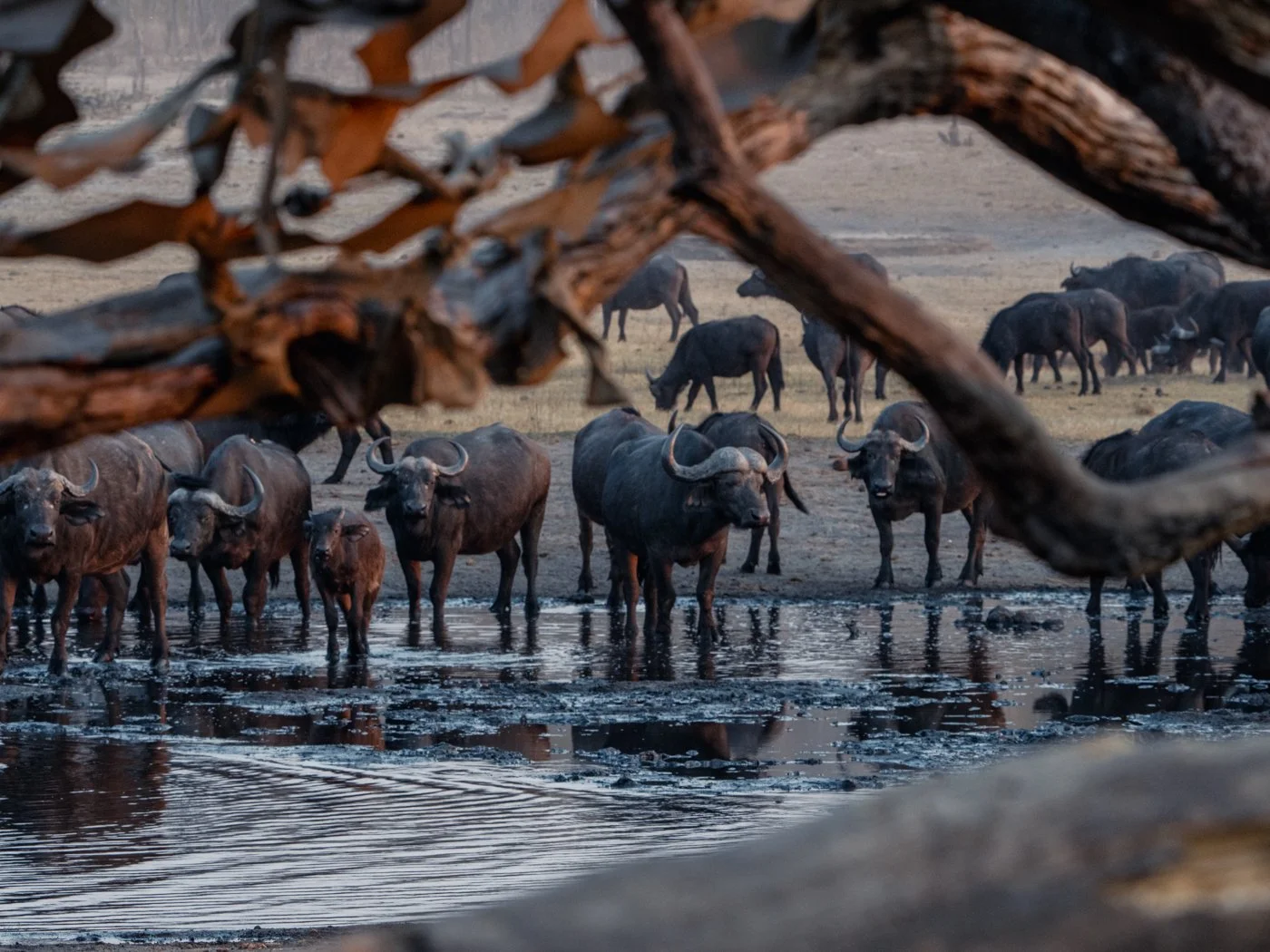
A Safari With Purpose in Hwange, Zimbabwe (2026 and 2027 Dates)
Zimbabwe offers one of the most distinctive conservation experiences in Africa, and the Amalinda Safari Collection Full Moon Game Count places guests at the heart of it. Held on our private concession bordering Hwange National Park, the Full Moon Game Count is a 24-hour wildlife monitoring experience carried out under the light of the full moon. It is an independent Amalinda Safari Collection program, run on our own land, and it gives guests the rare chance to contribute to real-time wildlife data collection while supporting the conservation work of the Mother Africa Trust. It is, in every sense, a safari with purpose.
Read on for how the Full Moon Game Count works, why it matters, and every date for 2026 and 2027 so you can plan your stay.
The Inspiration Behind the Full Moon Game Count
Hwange National Park is known for one of the longest-standing wildlife monitoring traditions on the continent. Each year, at the end of the dry season, the park carries out an official annual wildlife census across roughly one hundred waterholes, recording every animal that comes to drink over a 24-hour period. This park-wide census is a separate event, organised in partnership with Wildlife and Environment Zimbabwe, and it has informed conservation decisions across the region for more than half a century.
The Amalinda Full Moon Game Count continues this tradition, but it is our own independent initiative. Rather than forming part of the official census, it takes place on our private concession, on our own schedule, across the brightest nights of the lunar cycle. This allows far more guests to take part in hands-on wildlife monitoring throughout the year, in a setting where guest numbers stay low and the experience remains personal.
Why the Count Matters
Wildlife monitoring is one of the most practical tools in conservation. Recording which species visit a water pan, in what numbers, and at what times helps build a clearer picture of how animals use the landscape across the seasons. Patterns in this data reveal how drought concentrates wildlife around reliable water, how predators follow the movement of prey, and how lesser-known species respond to changing conditions.
For guests, the Full Moon Game Count turns a safari from passive observation into participatory conservation. Stationed at a designated water pan, counters record species, herd size, and arrival time, working in shifts through the full 24-hour cycle. Every participation fee supports the Mother Africa Trust, our registered nonprofit, which channels funds into anti-poaching patrols, community projects, and wildlife conservation across the areas where we operate.
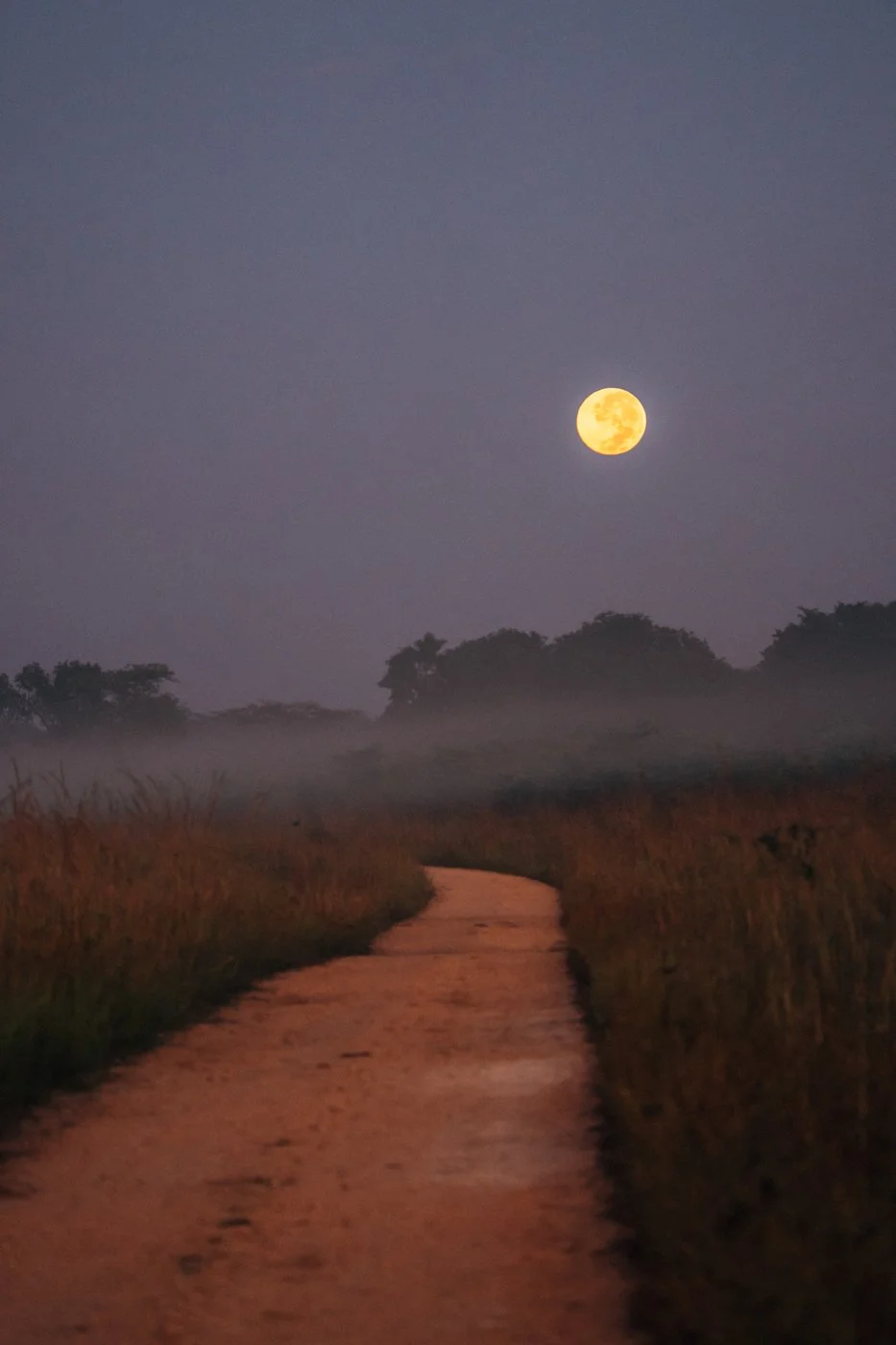
Moonlight as Field Equipment
Because our concession lies just outside Hwange's formal boundary, our guides can operate after dark without the park's curfew. On the brightest nights of the lunar cycle, the full moon becomes the primary source of light. This removes the need for artificial spotlights and allows animals to approach the waterholes undisturbed. The concession sits only about fifteen minutes from the Main Camp gate, so wildlife movements closely mirror those inside the park, while visitor numbers remain far lower.
The extended hours add real value to what guests can observe. Species such as giraffe, sable antelope, and buffalo often wait to drink until the moon climbs, using the additional visibility to watch for predators. Recording these night-time visits captures wildlife behaviour that daytime observation alone would miss.
Understanding Supermoons and Blood Moons
A supermoon occurs when the full moon reaches the point in its orbit closest to Earth, which makes it appear larger and brighter than usual. These nights offer some of the best natural visibility of the year for wildlife sightings.
A blood moon is a total lunar eclipse, during which the moon takes on a reddish or orange colour. This happens because sunlight is refracted and scattered by Earth's atmosphere before reaching the moon's surface. Both events make memorable additions to a night at the pans, and several fall within the 2026 and 2027 schedules below.
What to Expect at the Pans
Participation begins with a midday briefing on counting procedure. Guides explain how to identify species at a distance, how to note the direction animals approach from, and how to estimate numbers quickly when a large herd arrives together. Counters then work in shifts across the full 24-hour cycle, which runs from midday on the first day through to midday the next.
The data sheet grows busier toward dusk as the bush comes alive with sound, and the night often brings long stretches of stillness broken by a sandgrouse arriving for a drink, a civet moving along the bank, or the steady hum of cicadas. By the time the sheets return to camp at dawn, guests have helped record a full day in the life of the concession's wildlife.
Where You Stay
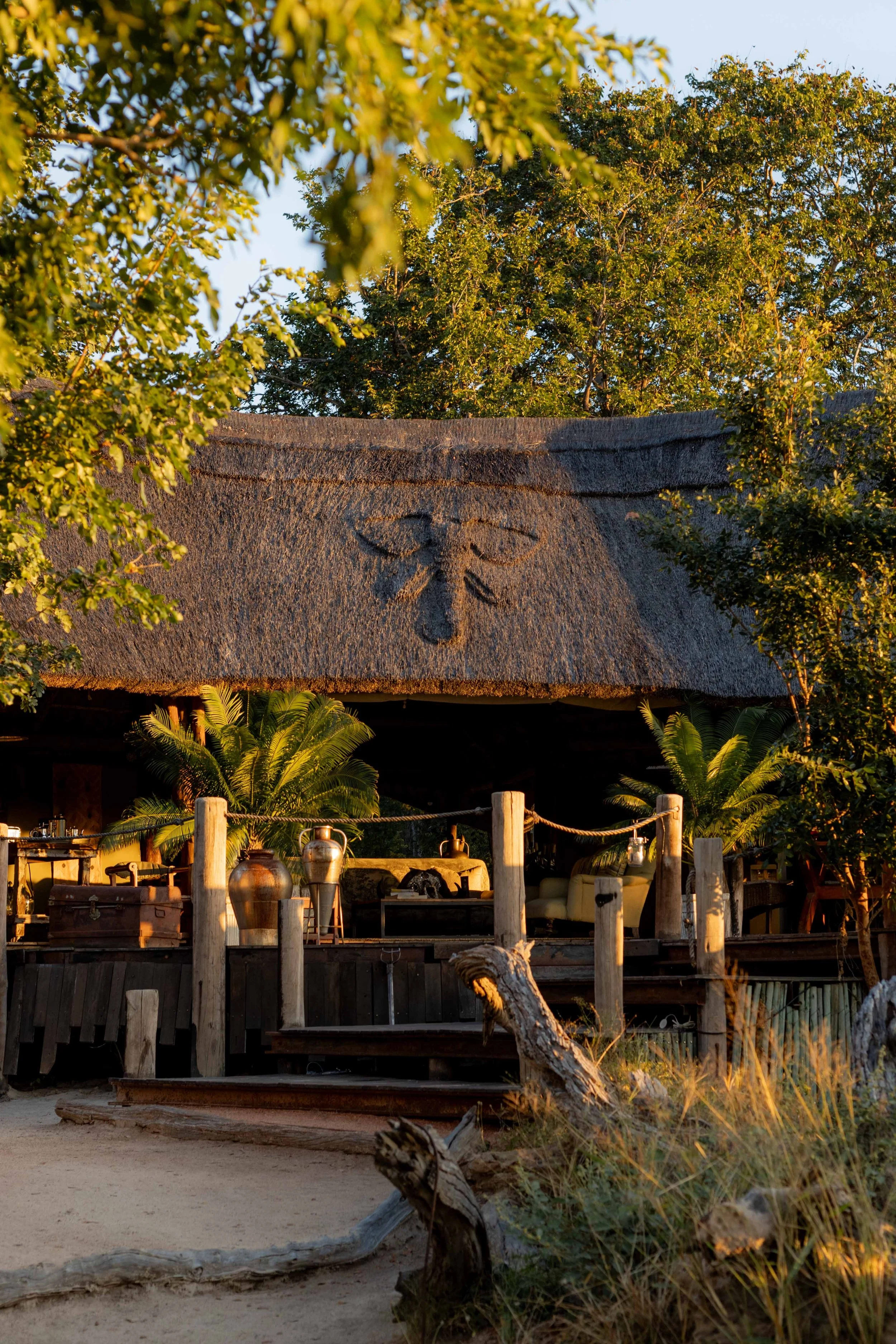
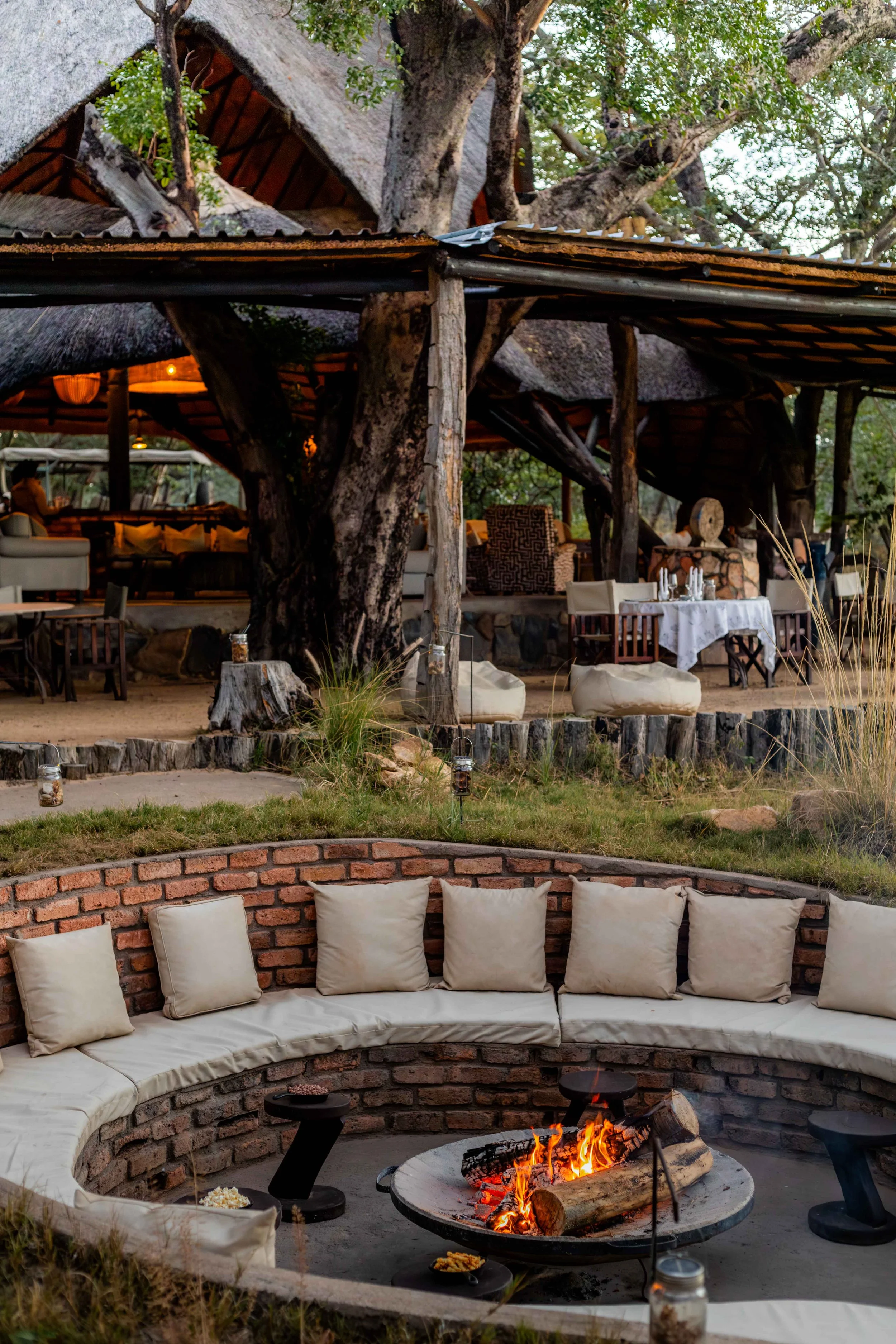
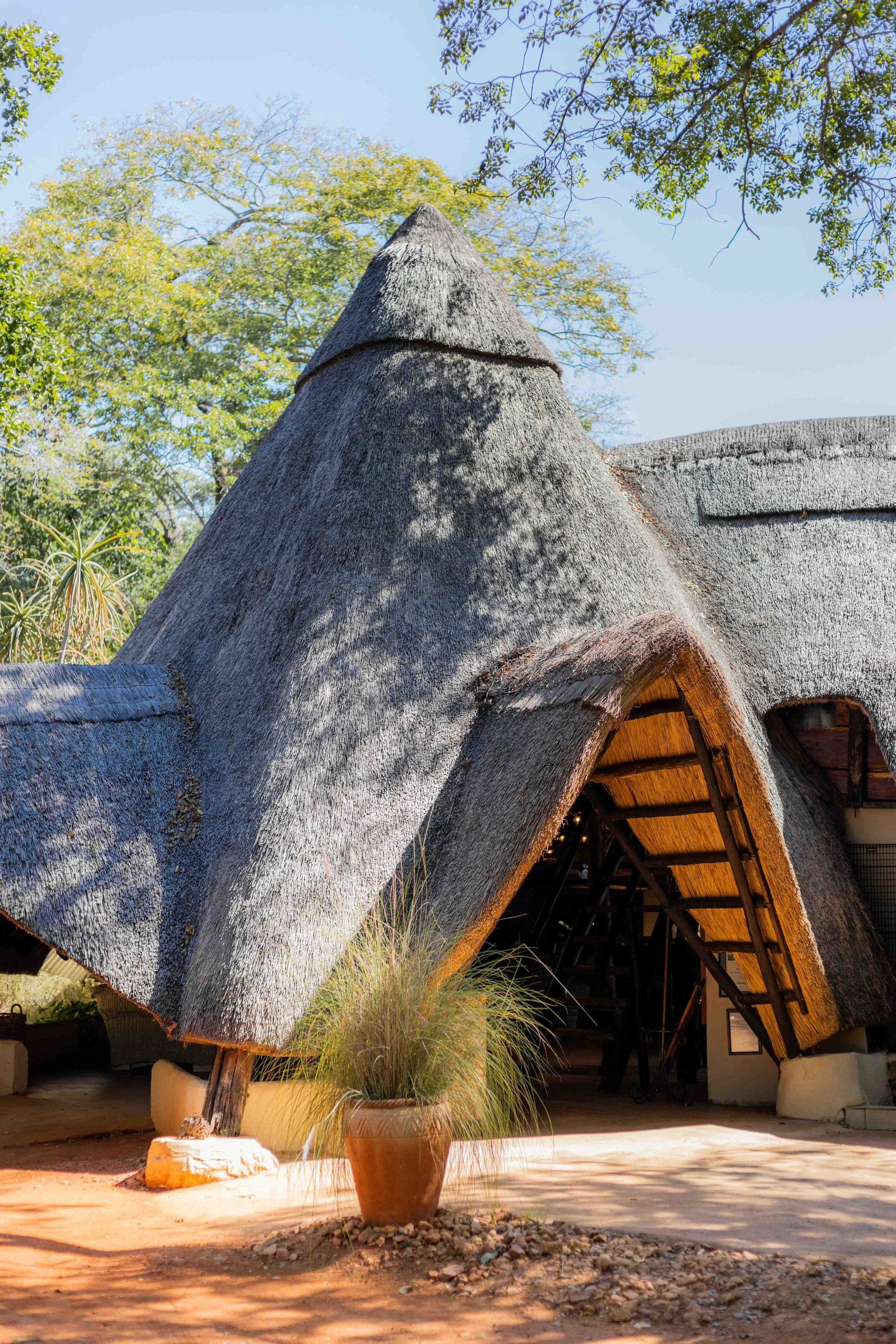
The Full Moon Game Count is available at three of our Hwange properties: (above, left to right) Khulu Bush Camp, Sable Valley, and Ivory Lodge. Each keeps guest numbers small, which keeps counting teams focused and the hides uncrowded. Khulu Bush Camp offers a classic under-canvas bush camp experience beside its famous elephant pool. Sable Valley pairs traditional thatched rondavels with an innovative underground hide. Ivory Lodge provides an authentic, character-filled base on the same private concession.
What Is Included
The Game Count Safari is built around a minimum three-night stay and includes:
Accommodation at Khulu Bush Camp, Sable Valley, or Ivory Lodge
All meals
Local drinks
Activities
Park entry fees
Laundry
A 24-hour game count at your designated water pan, running from midday (11:59am) to 12pm the following day
A participation fee of 100 US dollars per person applies for the Full Moon Game Count, in addition to accommodation.
2026 Full Moon Game Count Dates
The following full moon dates are available for 2026, with supermoons and the year's blood moon noted. The count does not run in July or August, when Zimbabwe's winter nights are at their coldest and sitting out at the pans is not ideal.
January 3 (supermoon) (sold out)
February 1 (sold out)
March 3 (blood moon)(sold out)
April 2(sold out)
May 1(sold out)
May 31(sold out)
June 29(sold out)
September 26
October 26
November 24 (supermoon)
December 24 (supermoon)
2027 Full Moon Game Count Dates
For 2027, each count runs across a multi-night window. These windows include the waxing gibbous and waning gibbous phases, the nights just before and just after the full moon, when the moon still appears full to the naked eye and visibility remains high. The count does not run during June and July, our winter months, when the cold weather is not suited to long nights outdoors.
January 20 to 24 (includes a Super Moon on January 22)
February 18 to 23 (includes a lunar eclipse on February 20 at 23h24)
March 20 to 24
April 18 to 23
May 18 to 23
August 14 to 19
September 13 to 18
October 13 to 18
November 11 to 16
December 11 to 15
How to Book
The Full Moon Game Count Safari takes place on our private concession bordering Hwange National Park, reachable in roughly fifteen minutes from the park entrance. To reserve your dates or to plan a longer itinerary across our Hwange and Matopos properties, contact us at enquiries@amalindacollection.co.zw or visit www.amalindacollection.com.
Counting wildlife under a full moon is a memorable experience, and its value runs deep. Every observation helps build a clearer record of the wildlife on our concession, and every participation fee supports the community and conservation work of the Mother Africa Trust. It is a safari that offers both lasting memories and a lasting contribution.