
Zimbabwe vs Kenya: The Ultimate Safari Comparison
When dreaming of an African safari, two destinations rise to the top of nearly every traveller's wishlist: Zimbabwe and Kenya. Both are iconic. Both deliver world-class wildlife encounters. And both promise the kind of memories that linger long after you've returned home.
They offer remarkably different experiences, though, and choosing between them comes down to the kind of safari traveller you are.
The Wildlife: Two Distinct Spectacles
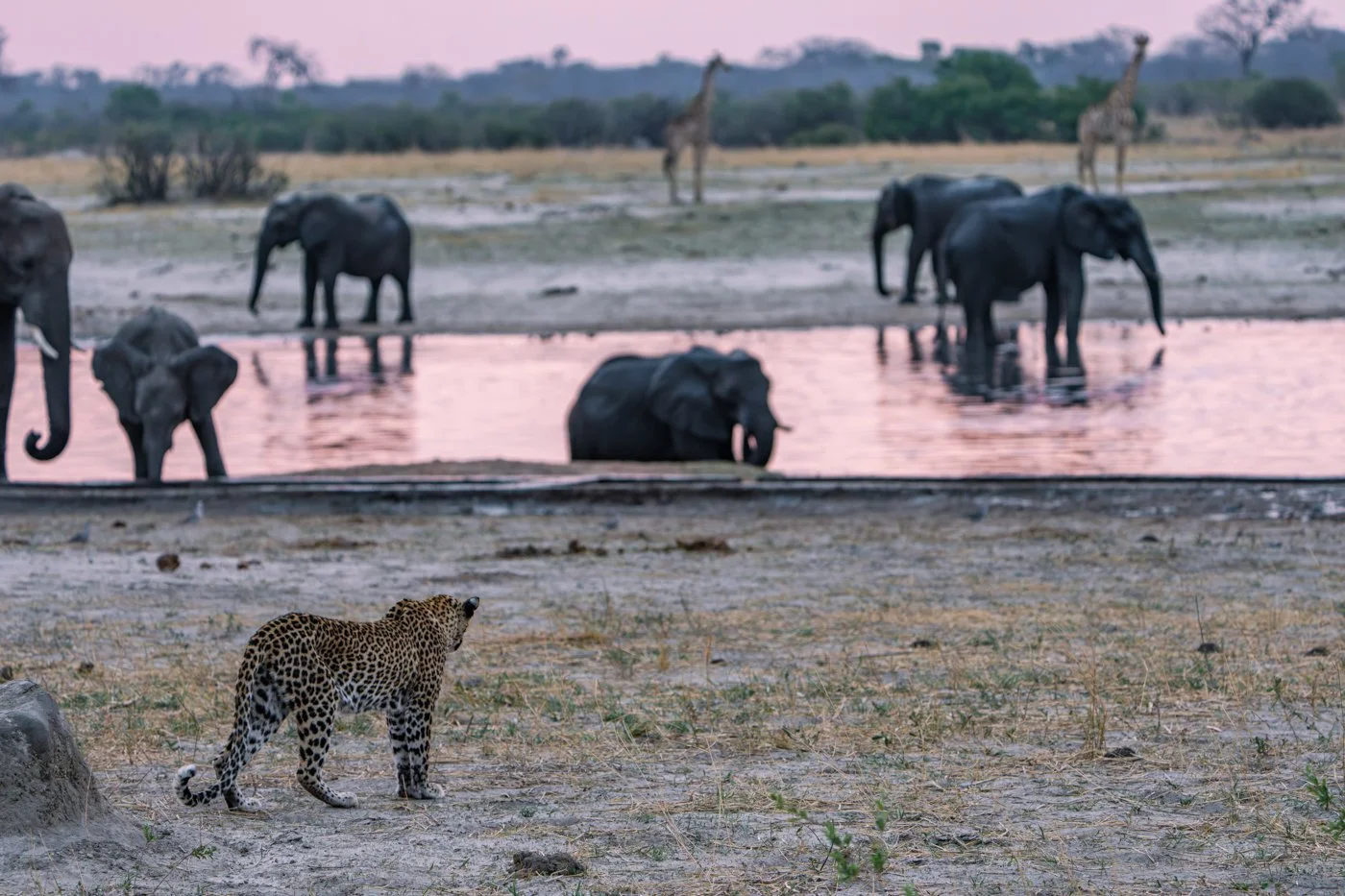
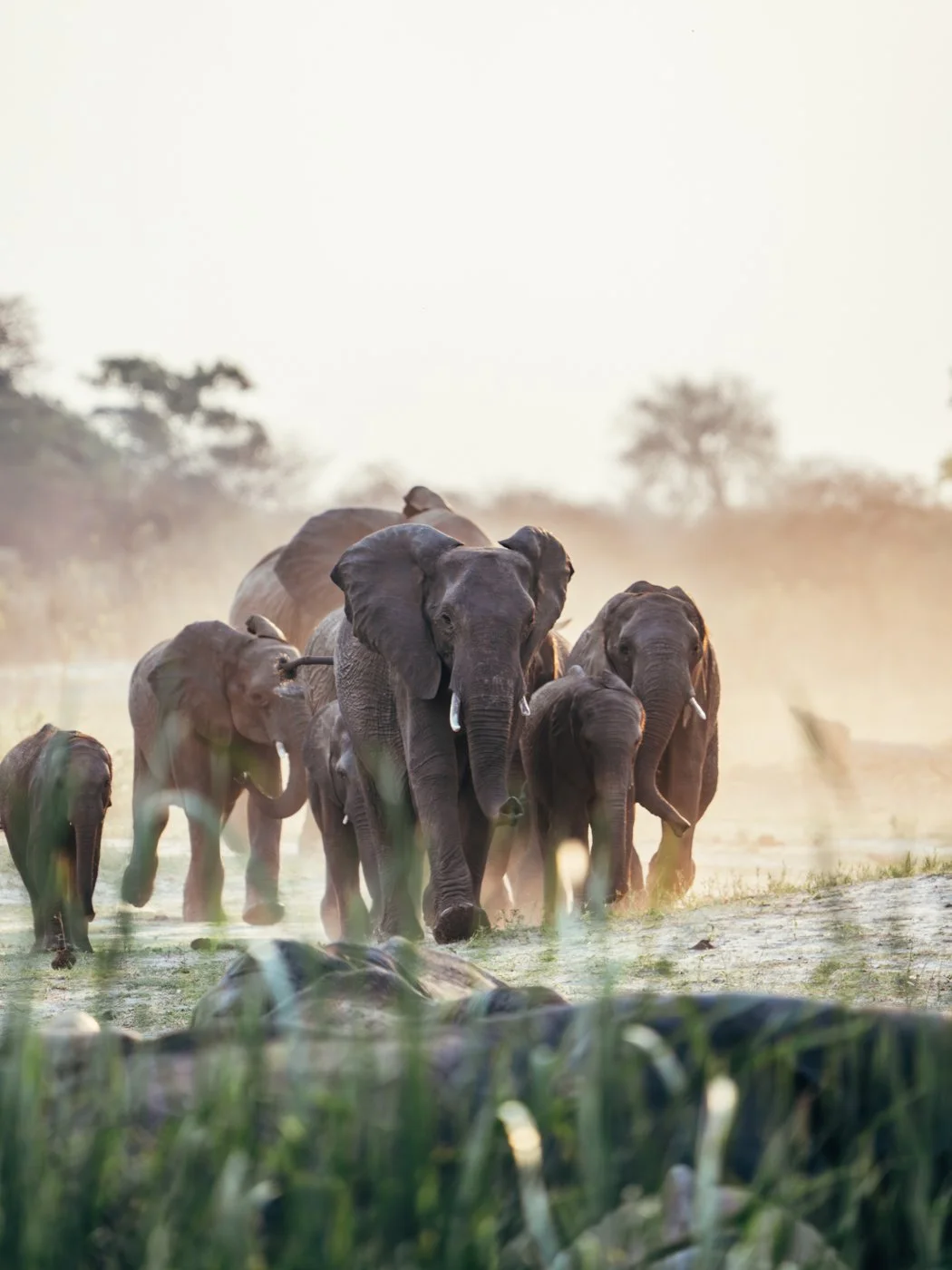
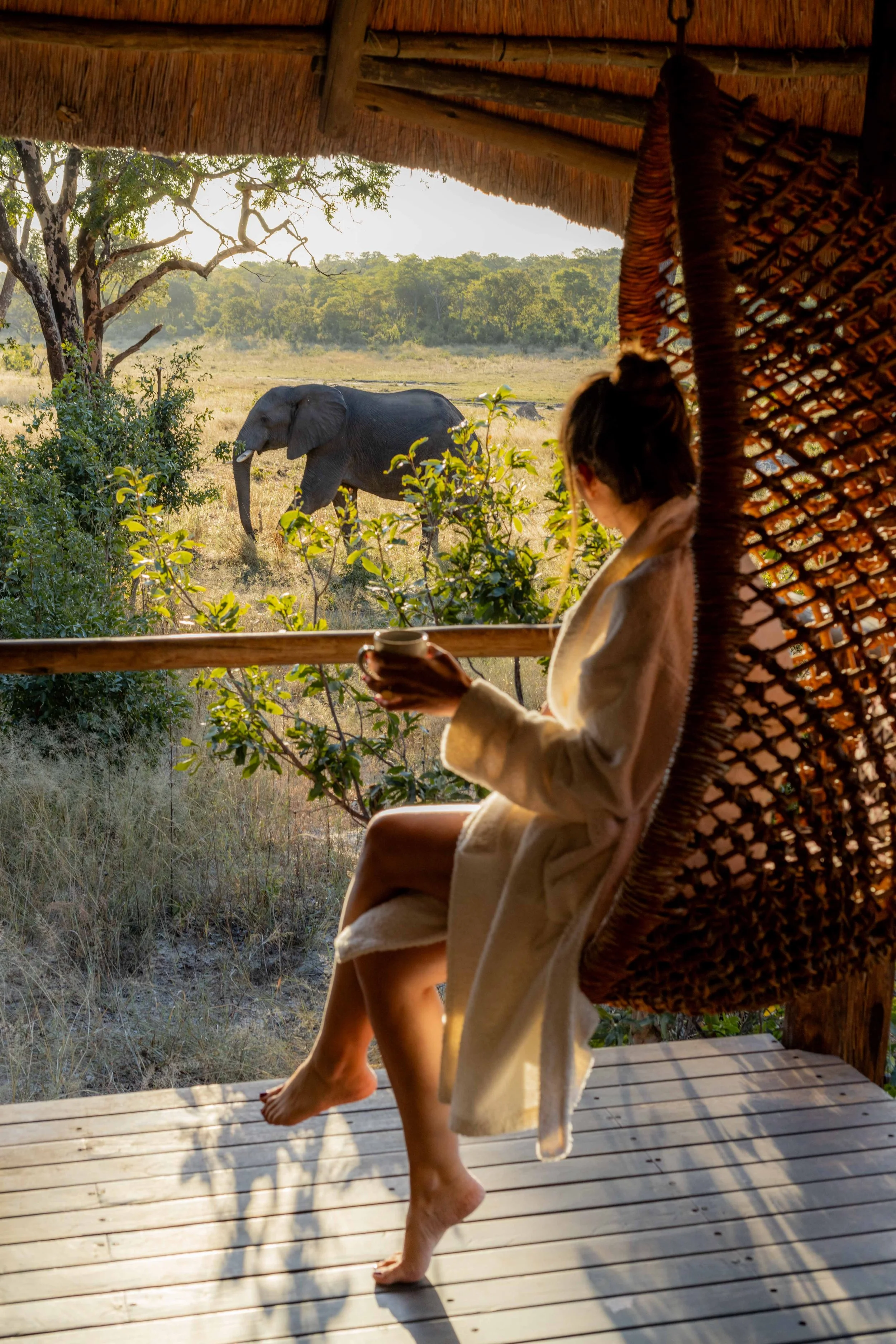
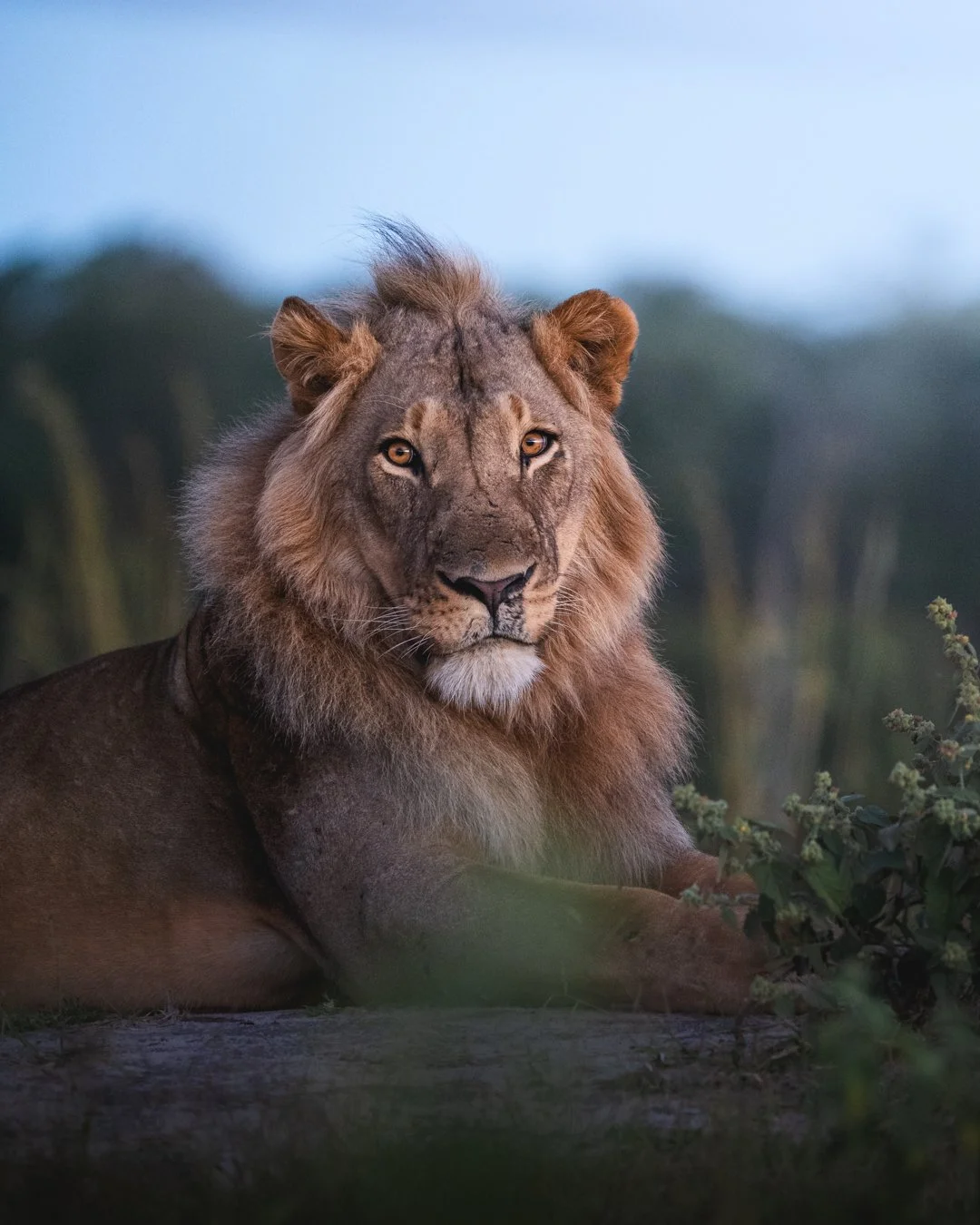
Zimbabwe offers a different kind of magic from what most travellers expect. Hwange National Park is home to one of Africa's largest elephant populations, with herds of hundreds gathering at waterholes during the dry season. Lion sightings are excellent, and Zimbabwe remains one of the last great strongholds for the endangered African Painted Dog, one of the continent's rarest and most fascinating predators. Leopard and cheetah are also part of the wildlife mix, and the bush feels genuinely wild, encountered on its own terms rather than against a backdrop of other safari vehicles.
Kenya is world-famous for the Great Migration, the annual movement of over a million wildebeest, zebra, and gazelle across the Maasai Mara. The open plains make wildlife spotting relatively easy, and Kenya also offers the chance to see smaller, more elusive cats like serval and caracal, alongside the classic sweeping vistas that have defined our collective image of "safari" for generations.
Both deliver the Big Five. The difference lies in how you experience them.
The Atmosphere: Wild vs Classic
Zimbabwe delivers untamed wilderness. Parks are less trafficked, sightings feel more exclusive, and the silence between game drives is genuinely silent. You won't always have signal. You won't always pass another vehicle. That's precisely the point.
Kenya is the accessible classic. Infrastructure is well-developed, lodges are plentiful, and you're rarely fully off-grid. Phone signal reaches deep into most parks, and circuits are well-established. It's the safari that looks exactly like the photos you've seen since childhood.
Guiding: Where Zimbabwe Leads
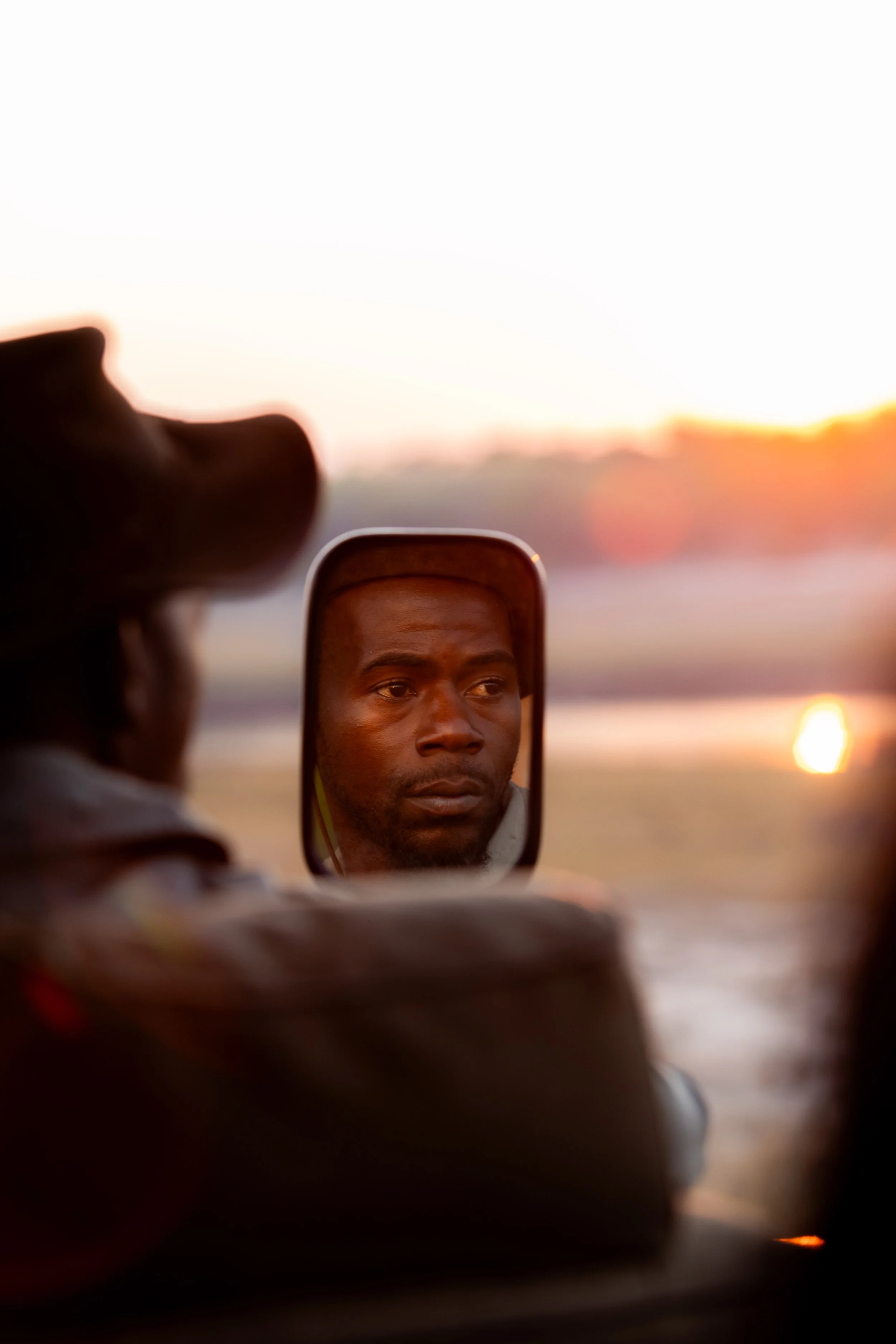
Here's an industry detail most first-time safari-goers don't know: Zimbabwe has arguably the most rigorous guide training programme in Africa.
Becoming a fully licensed Zimbabwean guide takes years of study, field experience, and notoriously difficult exams covering everything from ecology to firearm proficiency. The result is guides who don't just point out animals. They read tracks in the dust, interpret bird calls, and turn every drive into a masterclass in the bush.
Kenya offers excellent guides too, particularly in private conservancies. Zimbabwe's guiding legacy, however, is one of the safari world's best-kept open secrets.
Walking Safaris: A Zimbabwean Specialty
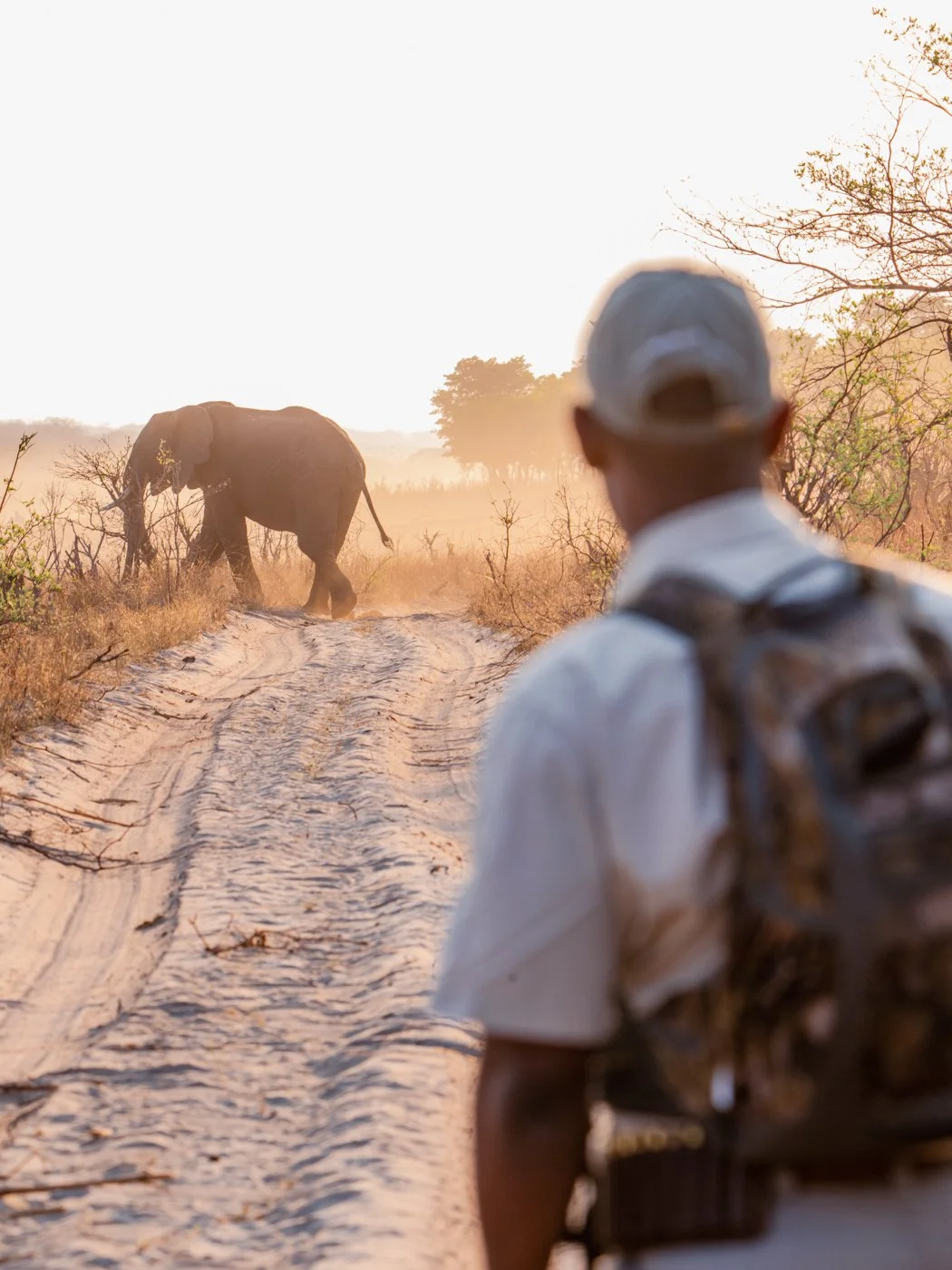
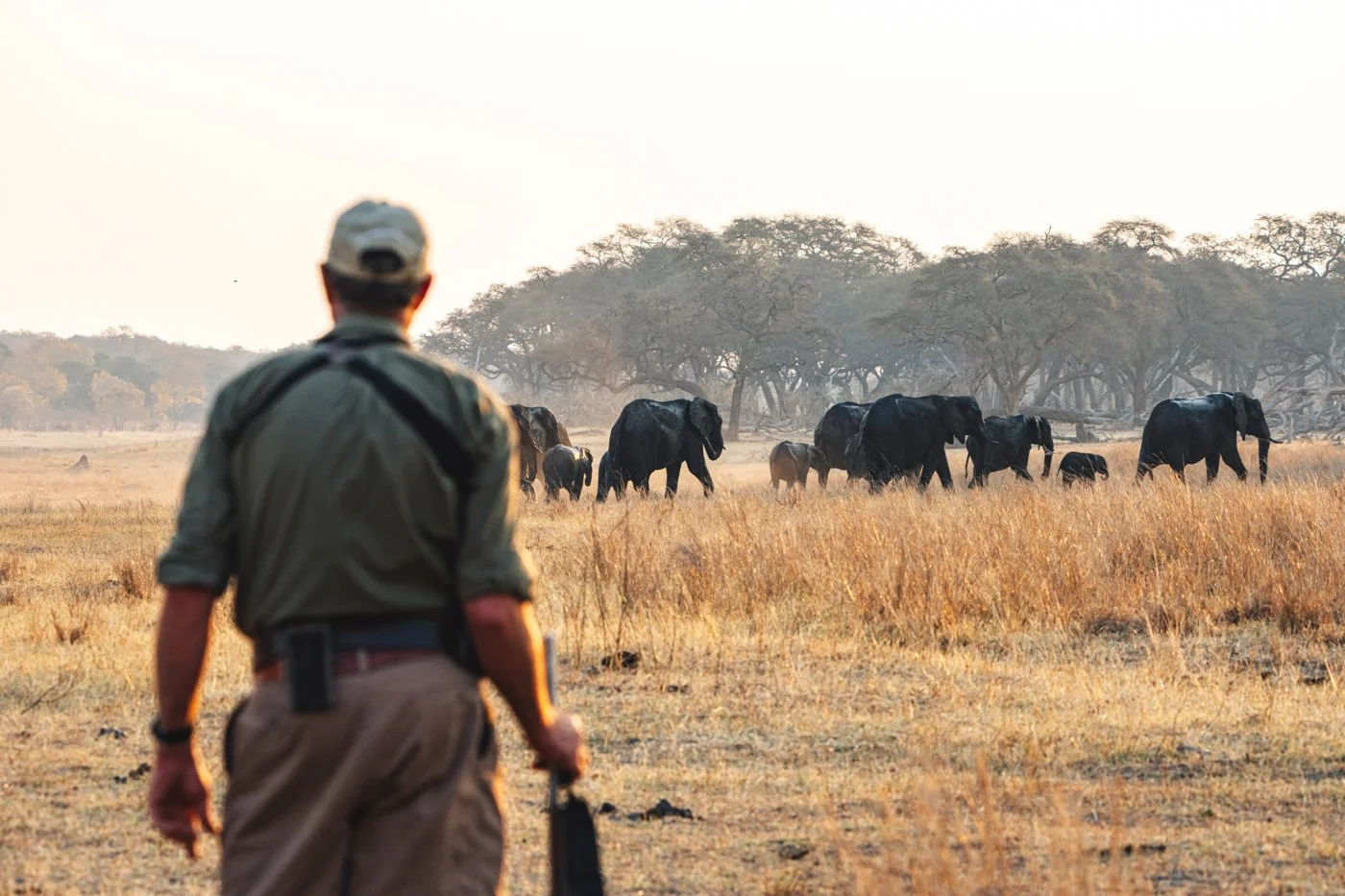
In Zimbabwe, walking is the safari. Tracking elephant on foot, learning to read the bush, and standing in the presence of wildlife with an expert guide leading the way is the experience travellers come for. It's immersive, educational, and unforgettable, particularly for families with curious children old enough to participate.
In Kenya, most safaris are vehicle-based. Walking is permitted in select conservancies, but it isn't the country's defining experience.
Off-Roading & Access
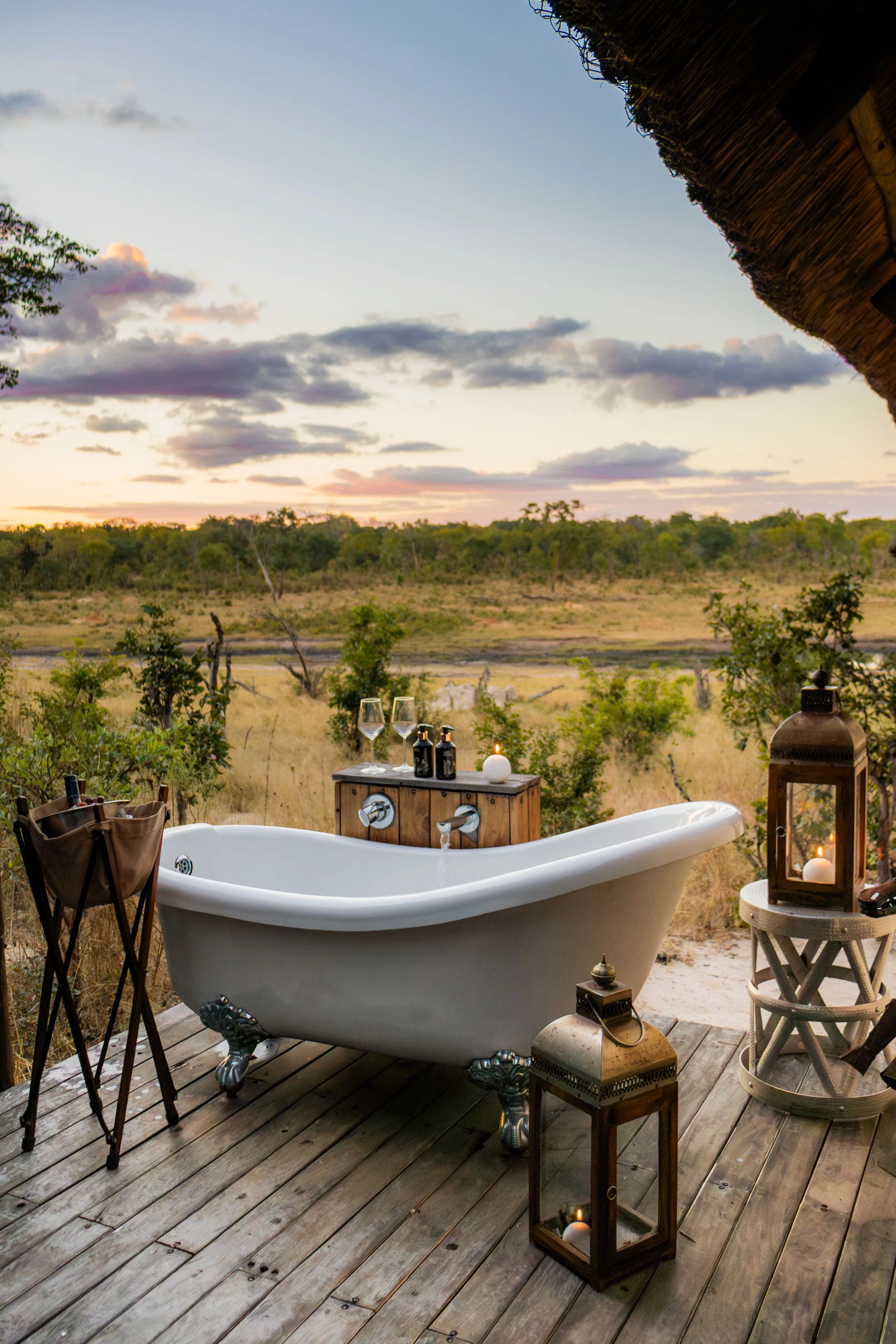
Zimbabwe has a particularly strong private concession model. Properties bordering Hwange, such as Amalinda’s Khulu Bush Camp, Sable Valley and Ivory Lodge, can offer off-road game viewing, night drives, and walking safaris, all activities restricted inside the park itself. This gives guests the best of both worlds: park access and the freedom of private wilderness.
Both Zimbabwe and Kenya restrict off-road driving within national parks to protect the environment. The workaround in both countries is the same: private concessions adjacent to the parks, where rules allow more flexibility.
Beyond the Safari: What Else Each Offers
Zimbabwe pairs unbeatably with Victoria Falls, one of the Seven Natural Wonders of the World, just a short flight or drive from Hwange. The Matobo Hills, a UNESCO World Heritage Site, adds ancient San rock art, granite landscapes, and one of Africa's highest concentrations of leopard and black eagle. It's a cultural and natural depth that's hard to match.
Kenya pairs naturally with the Indian Ocean coast. Diani Beach and Lamu are popular post-safari beach extensions, and cultural experiences with the Maasai are a highlight.
Which Safari Is Right for You?
Zimbabwe is ideal for:
Travellers seeking a more intimate, uncrowded wilderness
Families wanting hands-on, educational safari experiences, including walking with expert guides, learning to track wildlife, and exploring ancient rock art
Anyone drawn to walking safaris and world-class guiding
Multigenerational groups wanting flexibility and exclusivity on private concessions
Both seasoned safari-goers and discerning first-timers wanting something less commercialised
Kenya is ideal for:
Travellers chasing the Great Migration spectacle
Those who prefer staying connected throughout their trip
First-timers drawn to the classic open-plains imagery
Larger group tours and well-trodden safari circuits
The Honest Verdict
If you're drawn to authentic wilderness, world-class walking safaris, and the chance to experience Africa the way it used to be (uncrowded, immersive, and led by some of the continent's finest guides), Zimbabwe is calling.
If you want the iconic Migration spectacle on Kenya's famous open plains, Kenya delivers beautifully.
For families especially, Zimbabwe offers something Kenya often can't: smaller camps where children get personal attention from guides, the freedom of private concessions, and the kind of hands-on bush education that turns kids into lifelong conservationists.
Discover Zimbabwe with Amalinda Safari Collection
At Amalinda, we've spent over three decades crafting authentic Zimbabwean safari experiences across two of the country's most extraordinary regions: the Matobo Hills and Hwange National Park.
From the rock-art-laden landscapes of Amalinda Lodge, to the family-friendly comfort of Sable Valley Lodge and the tree-house adventure of Ivory Lodge, to the intimate classic-safari soul of Khulu Bush Camp, our four boutique properties are designed for travellers who want their safari to feel real.
Ready to plan your Zimbabwean adventure? Get in touch and we'd love to help you craft your perfect trip.