
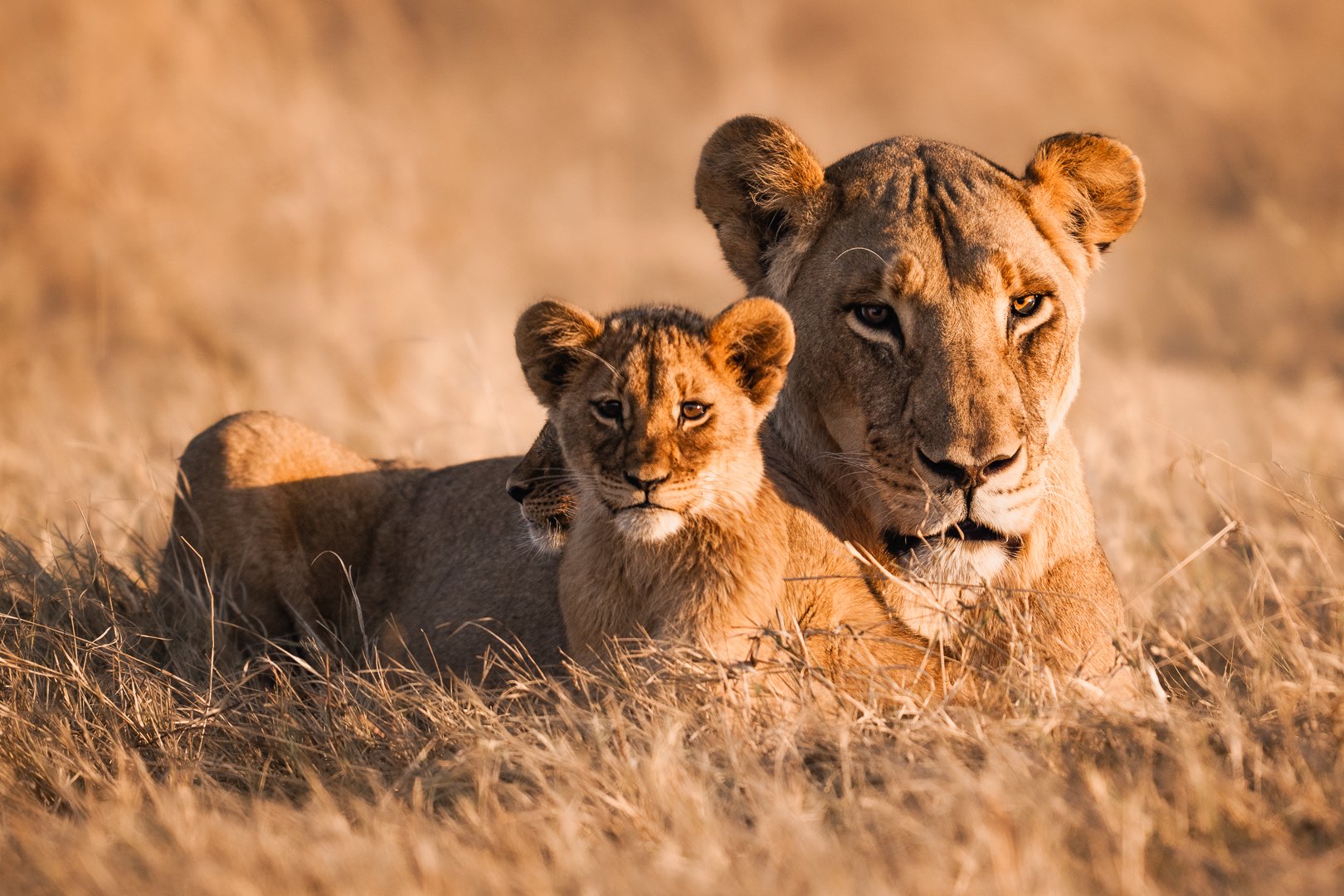
Hwange National Park is Zimbabwe's largest national park, known for elephants, varied wildlife and long hours spent watching waterholes. For a first visit, we suggest allowing three or four nights: enough time for several outings, a quieter afternoon in camp and a little flexibility in your plans.
The most useful decisions are when to travel, where to stay and how Hwange fits into your wider journey. This guide helps you work through each one, including the difference between staying inside the national park and on the private concession bordering it that is home to our three Hwange camps.
Hwange National Park at a glance
Location: Northwestern Zimbabwe.
Size: Approximately 14,650 square kilometres, according to Zimbabwe Parks and Wildlife Management Authority.
Habitats: Savanna grasslands, teak woodland and mopane woodland.
Wildlife: Elephant, buffalo, lion, leopard, African wild dog and a wide variety of antelope and birds.
Our Hwange properties: Khulu Bush Camp, Ivory Lodge and Sable Valley, all on a private concession outside the national park boundary.
Suggested stay: Three or four nights in Hwange, with additional time for Matobo or Victoria Falls.
Hwange covers a substantial area. A park entrance, an airport and your chosen camp are different destinations, so plan transfers around the exact property where you will be staying.
When is the best time to visit Hwange?
The dry season is a good starting point if your priority is watching animals at waterholes. The green season suits travellers interested in birdlife, greener landscapes and a different photographic backdrop. Both offer worthwhile safaris; the choice depends on what you hope to experience.
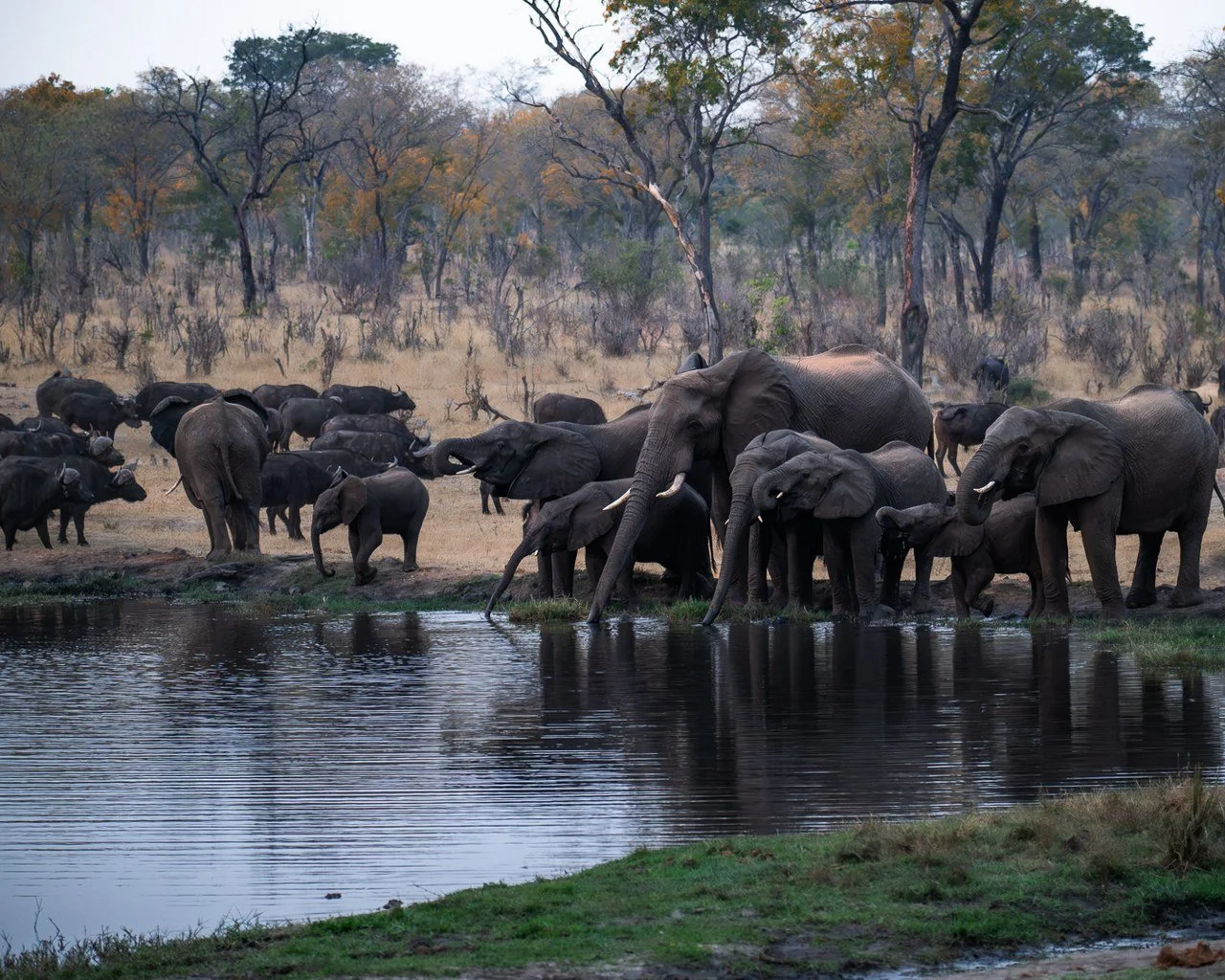
Dry season in Hwange. Elephants and buffalo gather at the waterhole.
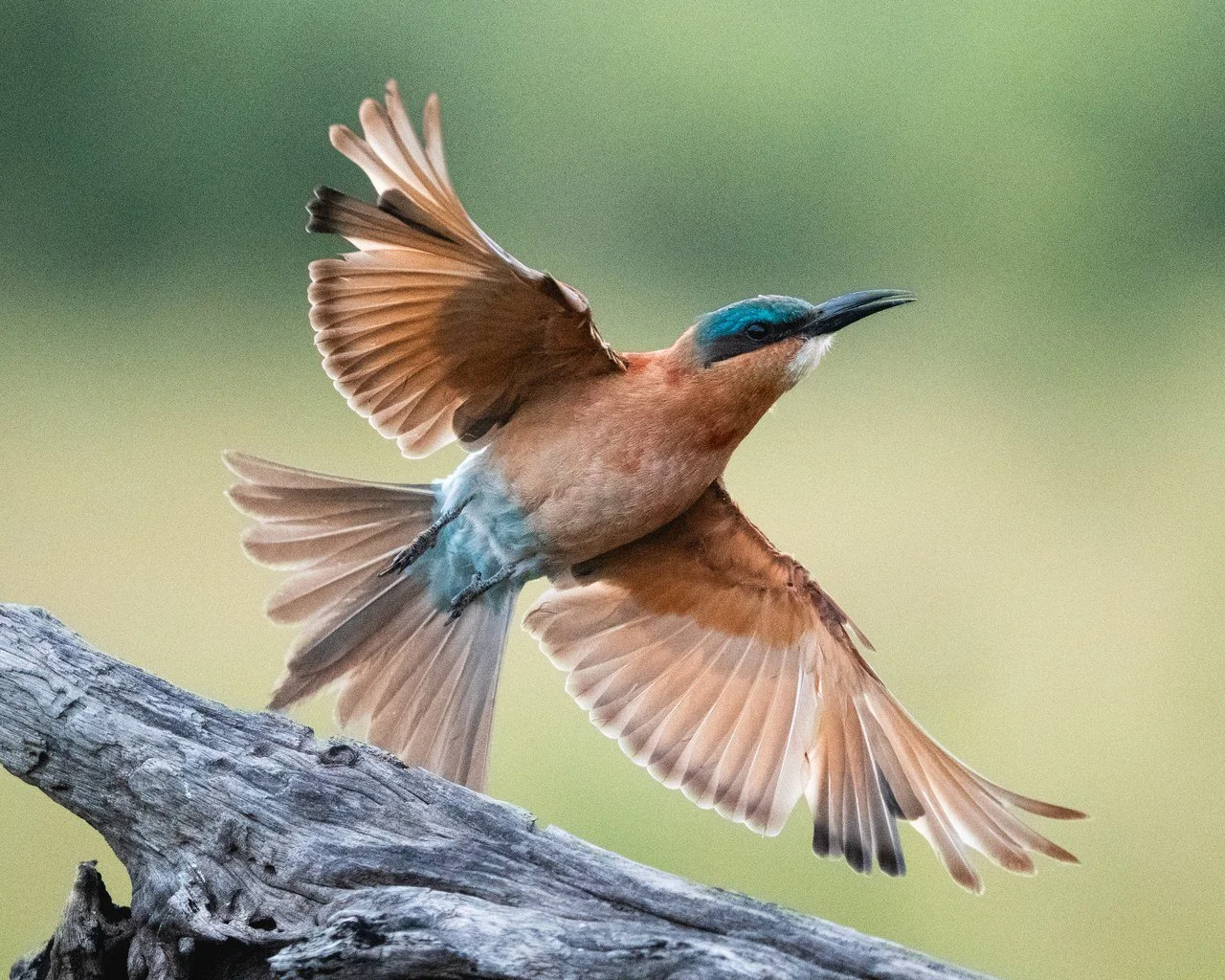
Green season in Hwange. A bee-eater takes flight in March.
Dry season: waterholes and wildlife watching
During the dry months, wildlife increasingly gathers around available water. This makes time at a waterhole particularly rewarding: you can settle in and watch how different animals arrive, drink and interact.
June to October is a useful planning window, although conditions change across those months. Pack layers for early starts and evenings, and consider your comfort in hot weather when choosing dates towards the end of the dry season. Tell our team whether wildlife, walking or photography matters most to you, so we can discuss the trade-offs.
Green season: birds, Babies and changing landscapes
The wetter months, broadly November to April, bring greener vegetation, the birth of new cubs and calves, migratory birds and changing skies. Animals have more water available across the landscape, so waterhole viewing can be different from the concentrated gatherings associated with drier conditions.
Rainfall does not follow a fixed calendar. May and November can be transition periods, and the timing of the rains varies. Keep room in your plans for activities to respond to the weather. Our green season article explores this time of year in more detail.
What wildlife can you see?
Elephants are a major reason people choose Hwange, but a rewarding safari extends well beyond them. Look out for buffalo and antelope, listen to the birds and take an interest in the smaller signs your guide interprets along the way.
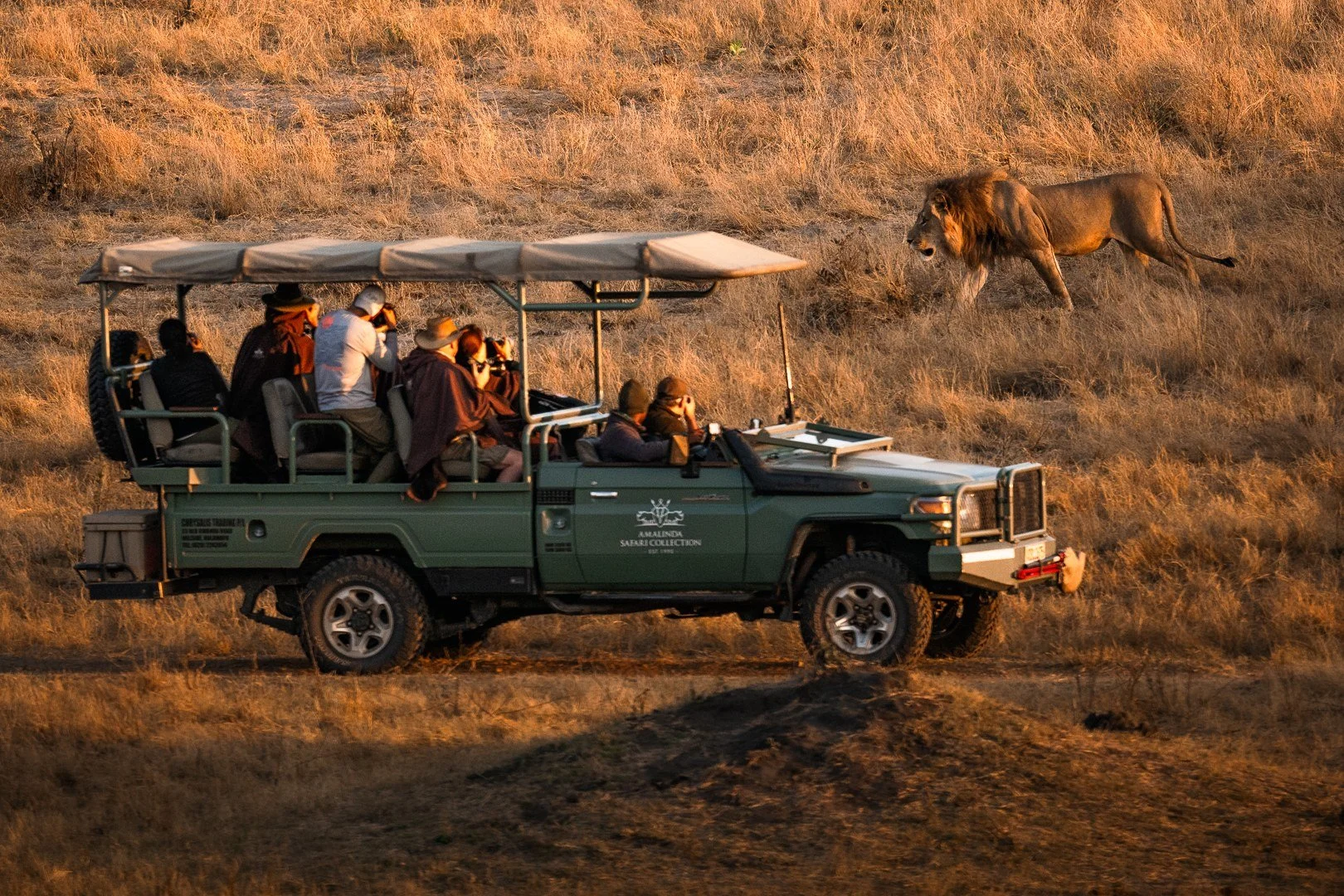
A lion alongside a morning game drive.
Lions, leopards and African wild dogs occur in Hwange, but their presence does not guarantee a sighting during your stay. Share particular interests with your guide while staying open to whatever the day brings. Allowing several nights gives you more opportunities to explore without making every outing depend on finding one species.
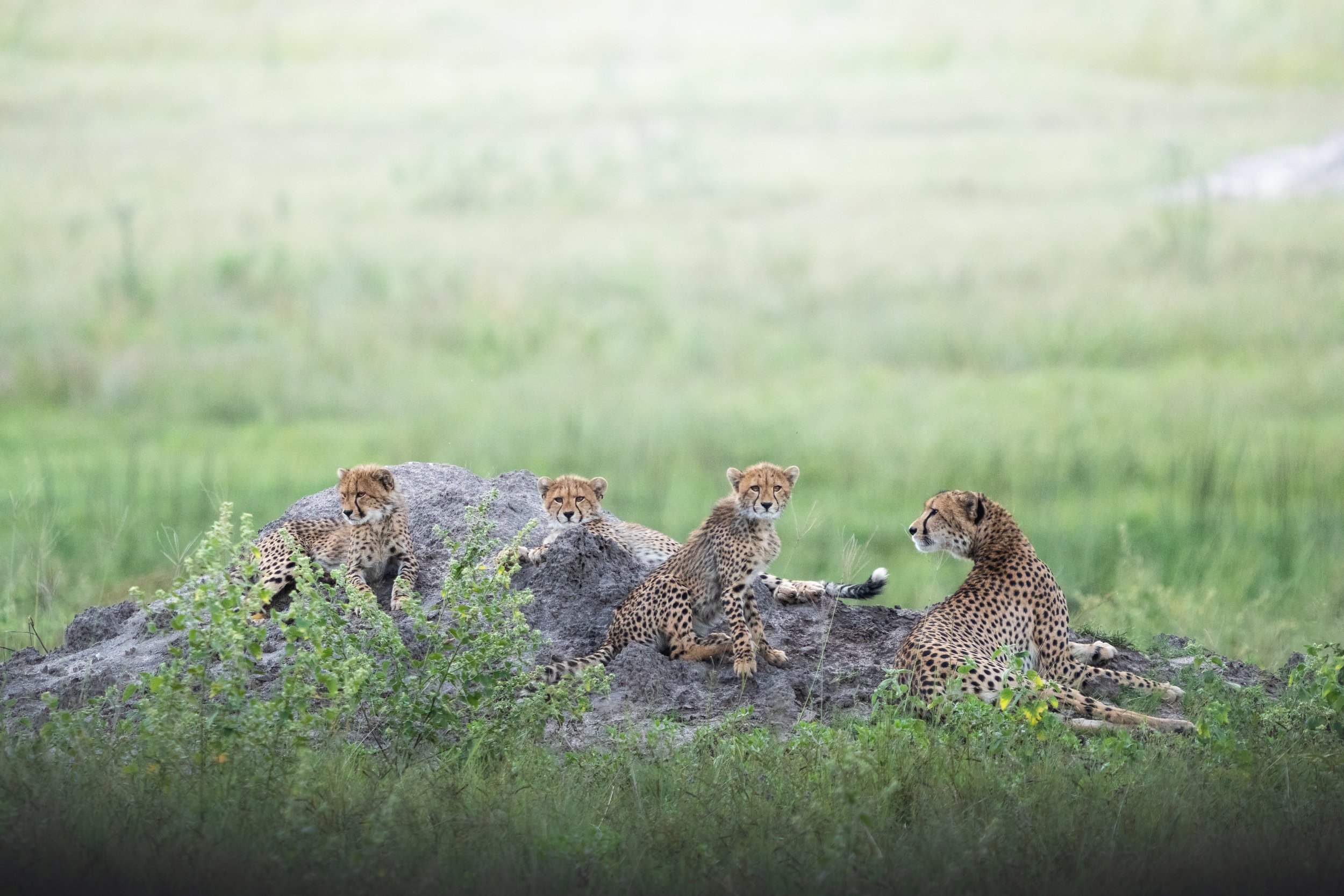
Cheetahs at rest in Hwange.
If rhino tracking is a priority, consider adding Matobo to your itinerary. It offers a separate experience that complements Hwange's wildlife and landscapes.
Staying inside the park or on a bordering concession
When comparing Hwange accommodation, check the location carefully. Some camps are inside the national park; others are in adjoining areas.
Khulu Bush Camp, Ivory Lodge and Sable Valley stand on Amalinda Safari Collection's private concession bordering Hwange National Park. Guests can explore the concession and arrange outings into the park. Our offering includes guided game drives, walking safaris and hides, with night drives available on the concession.
Ask where each activity takes place and which activities are included in your proposed stay. Walking requires a pro guide and is subject to conditions and participant suitability. Your camp choice also shapes the hours between outings: a pool, a waterhole view or an underground hide can be an important part of the holiday.
Which Amalinda camp should you choose?
Each camp offers a different setting within the same wider safari area.
Khulu Bush Camp: Canvas and thatch accommodation, two honeymoon suites and a pool known for visiting elephants. A good starting point for couples who enjoy a traditional bush-camp atmosphere.
Ivory Lodge: Raised chalets overlooking a waterhole, a covered hide and a relaxed, family-friendly setting. Families are welcome, and the lodge grounds are fenced.
Sable Valley: Thatched rondavels, Dete Vlei views from the main area and an underground hide. Consider it if time observing or photographing wildlife from camp is central to your plans.
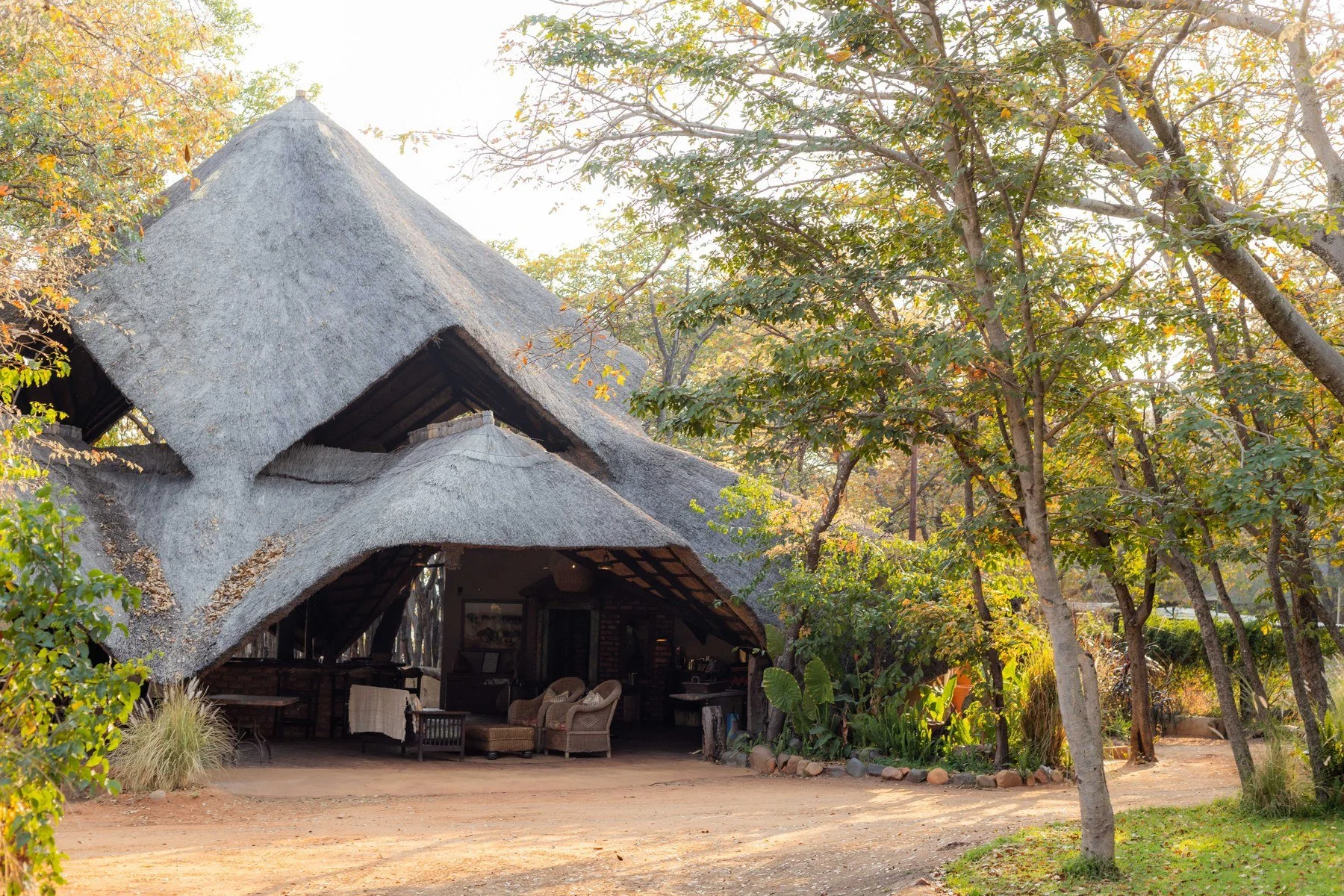
The thatched entrance at Sable Valley.
Share children's ages, room requirements and any mobility needs when enquiring. Khulu welcomes children aged 12 and over; accommodation policies and activity suitability are separate considerations.
How long should you stay?
Three nights usually gives you two full days between arrival and departure. Four nights allows another full day and more flexibility to mix drives with time in a hide or at camp.
A possible rhythm is to settle in on arrival, devote one day to game drives, and discuss a walk, hide visit or park outing for the next. These are planning ideas rather than a fixed programme: your guide will take account of conditions and your interests.
Avoid filling every available hour. Sometimes the most enjoyable afternoon is the one you leave open.
Getting here and planning the rest of your trip
Our Hwange camps can be reached by road from Victoria Falls or Bulawayo. Our transfer division, Driving You Wild, can help arrange journeys between airports and properties. Send your proposed arrival and departure details before finalising the itinerary so transfers can be planned around them.
Victoria Falls adds a contrasting stop to a safari. For granite landscapes, rock art and guided rhino tracking, pair Hwange with Amalinda Lodge in Matobo. Our Zimbabwe travel guide provides further planning information.
Ready to put the journey together? Contact our team with your dates, group size and the experiences you most want to make time for. We will help you choose a camp and a pace that suits you.